Cuba, an island nation in the Caribbean, is grappling with its most severe housing crisis in over half a century. Official data reveals a national housing shortage of more than 800,000 units, with approximately 1,000 buildings collapsing annually in the capital, Havana. Against this backdrop, the Cuban government is turning its attention to modular construction and housing converted from shipping containers. Meanwhile, thousands of miles away in Chengdu, a company named "Fangda Mofang" is quietly positioning itself in the global market for mobile living spaces. Could this Caribbean housing crisis serve as a springboard for "Smart Manufacturing" from Chengdu to go global?

I. Cuba in Crisis: A Shortage of 800,000 Homes and the "Container Revolution"
A walk through Old Havana reveals Spanish colonial-style buildings that have become weathered and dilapidated over time. Yurieska Antunet Martí, a 29-year-old beautician, lives with her three children in a structurally unsound building at risk of imminent collapse; chunks of plaster frequently peel from the ceiling and fall directly onto their beds. Her plight is far from unique-countless families in Havana reside in overcrowded tenements known as *solares*. These aging structures-some decades or even centuries old-have been repeatedly subdivided into cramped, tiny living quarters.

The statistics surrounding Cuba's housing crisis are staggering. Official figures indicate a shortage of over 800,000 housing units; however, according to statements made by Cuban officials at the UN Human Rights Council, the actual figure could exceed one million. Even more concerning is the condition of the country's existing housing stock: of the nearly 4 million homes nationwide, approximately 40% are classified as being in "fair" or "poor" condition. In Havana alone, around 1,000 buildings collapse every year. The root causes of the crisis are complex and intertwined: the long-standing U.S. economic blockade has brought Cuba's construction materials industry to a near-standstill, with cement production and installation capacity utilized at only 10%. Meanwhile, the domestic economy remains sluggish, and housing construction is proceeding slowly; as of July 2025, only 2,382 housing units had been completed-less than 22% of the annual target.
Faced with this dire situation, the Cuban government has begun exploring new solutions. In March 2025, the government announced plans to convert over 3,500 shipping containers into temporary housing across the country. Delia Díaz Fernández, Director General of Housing at the Ministry of Construction, revealed that more than 2,000 containers have already been approved for conversion, with 700 currently undergoing modification.

In Havana's Plaza district, the first two insulated container homes have already been handed over for use. In the Toledo neighborhood on the outskirts of Havana, a residential complex comprising approximately 80 containers is under construction. Matanzas Province is also advancing its own container housing projects. Commander of the Revolution and Deputy Prime Minister Valdés has clearly stated that Cuba seeks to strengthen international cooperation in areas such as housing, infrastructure development, and post-disaster reconstruction.
II. Fangda Mofang: A Chengdu-based Player in "Mobile Spaces"
At No. 87 Jinchuan Road, Jintang County, Chengdu, a company named Chengdu Fangda Yuancheng Environmental Protection Technology Co., Ltd. is manufacturing a unique product: mobile spaces. Its brand, "Fangda Mofang," focuses on providing users with comprehensive, systematic solutions for mobile living spaces.

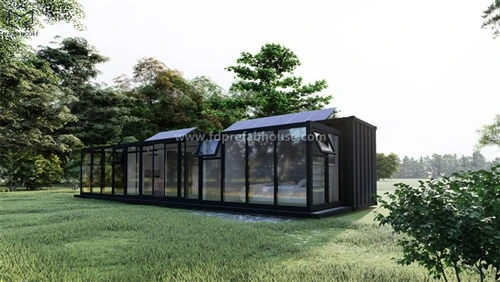
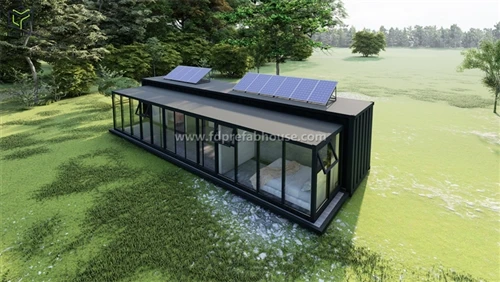
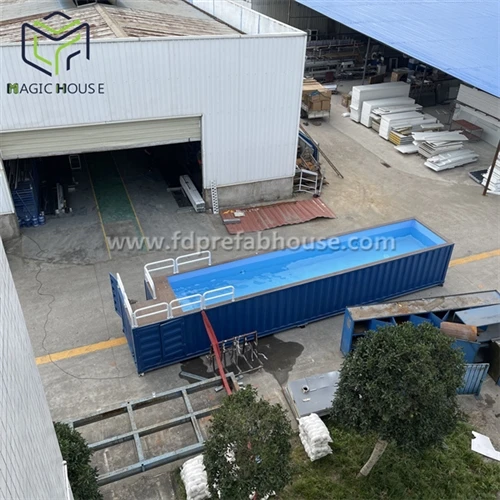
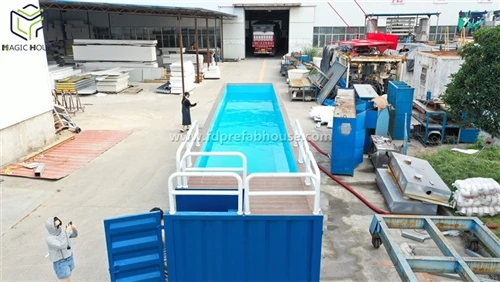
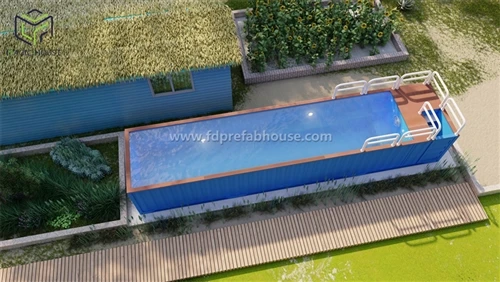
Fangda Magic House's product line includes container homes, container swimming pools, and container restrooms. Its modular housing product-the "Space Capsule"-features a main unit measuring 11.35 meters in length, 3.46 meters in width, and 3.25 meters in height, offering the advantages of rapid installation, portability, and modular combinability.
Notably, Fangda Mofang's vision extends beyond the domestic market. Information from the company's official website indicates that its business spans six continents, with products exported to over 30 countries. Established in 2017, the company entered the international market as early as 2018. This international footprint provides a foundation of potential experience and channels for its participation in housing construction in Cuba.