US Repeals 50-Year-Old Mandatory Steel Chassis Rule; Industry Landscape Poised for Change
On July 11, 2026, the US "21st Century ROAD to Housing Act" officially took effect. Passed by overwhelming margins-85 to 5 in the Senate and 358 to 32 in the House-this legislation is regarded as the most significant housing-related legislative action in the US in over two decades.
One of the act's most notable provisions is the repeal of a regulation-in place since 1974-requiring manufactured homes (mobile homes) to be equipped with a permanent steel chassis. Under the previous rules, all such homes had to be built upon a permanent steel chassis that remained attached even after the home was installed and no longer mobile. According to statistics from the US Department of Housing and Urban Development, only 5% to 7% of manufactured homes were ever moved after delivery.
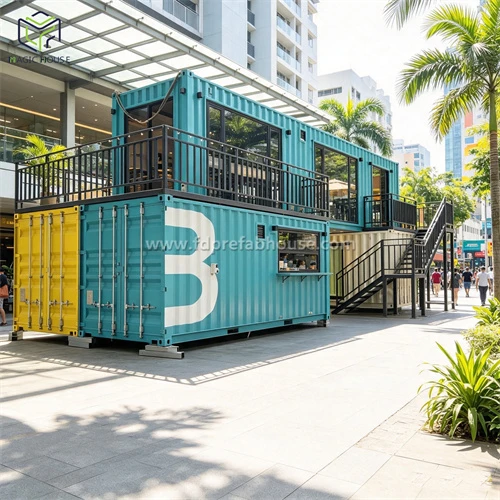
Experts estimate that removing the mandatory steel chassis requirement could reduce construction costs by $5,000 to $10,000 per unit-a decrease of approximately 4% to 8%. More importantly, this regulatory easing offers greater design flexibility, enabling the creation of multi-story buildings and urban-friendly designs. Industry observers believe this shift could drive the transformation of manufactured homes from "temporary shelters" into high-quality, permanent residences.
Aligning with Global Trends: Chengdu Fangda Mofang Demonstrates Unique Competitive Advantages
As the US eases regulations on mobile homes, China's modular mobile housing industry is also expanding rapidly. Headquartered in the Qingbaijiang District of Chengdu, Fangda Mofang (Chengdu Fangda Yuancheng Environmental Protection Technology Co., Ltd.)-a provider of integrated mobile space solutions covering design, R&D, manufacturing, sales, installation, and operations-has demonstrated unique competitive advantages in this sector.
1. Structural Design Eliminating the Need for Steel Chassis: A Natural Fit for Policy Trends
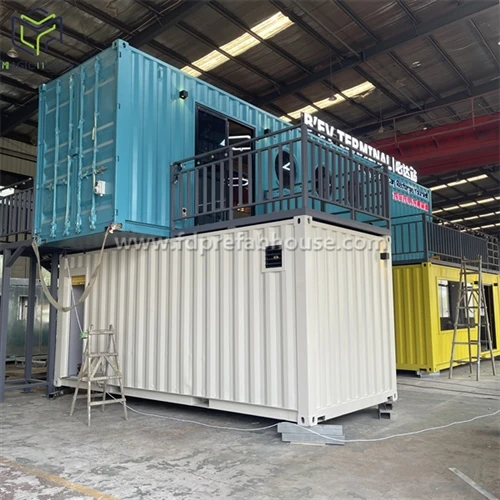
Fangda Mofang's core products utilize a modular integrated unit system. They feature a load-bearing light-gauge steel framework, with enclosure walls and floor slabs filled with foam concrete, creating a composite structure that combines the steel frame with foam concrete. This technical approach endows the house itself with full structural load-bearing capacity, eliminating the need for an additional permanent steel chassis. The mandatory steel chassis requirement-which necessitates legislative repeal in the U.S.-poses no technical barrier for Fangda Mofang's product system from the outset.
II. Cost and Efficiency Advantages of Modular Design
Fangda Mofang's modular integration technology enables the standardized factory production and assembly of all building systems-including thermal insulation, plumbing, electrical, HVAC, solar photovoltaics, and interior finishes. Housing modules can be transported directly to the site for immediate use. While the length of structural modules is kept within the 12-meter transport limit, the building's depth can be expanded through splicing, overcoming transport dimension constraints. This "building-block" construction method significantly shortens construction cycles and reduces both labor and project financing costs.
III. Dual Capabilities: Rapid Delivery and Flexible Customization
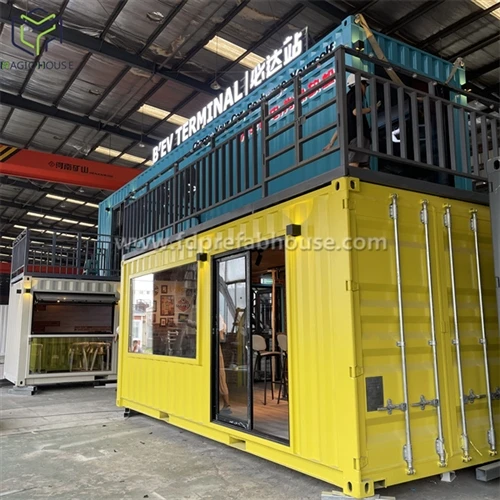
With years of deep expertise in modular structural technology, Fangda Mofang excels at customizing both the exterior aesthetics and functionality to suit urban landscapes and cultural tourism settings. Its diverse product line spans various applications, ranging from exquisite 8.5-meter "starlight cabins" and large "space capsules" (over 11 meters) to mobile commercial kiosks and smart eco-friendly public restrooms. The company holds numerous patents and is recognized as both a High-Tech Enterprise and a Technology-based SME. Its products have already been exported to international markets such as Kenya and the UK, demonstrating significant potential for global expansion.
IV. A Service Model Integrating the Entire Industry Chain
Fangda Mofang has established a comprehensive service system covering everything from design and R&D to production and sales, and from installation and construction to operation and maintenance. This model allows the company to provide "turnkey" integrated solutions for mobile spaces-an approach particularly well-suited for scenic areas, municipal projects, property management, and real estate developments where delivery speed and quality are paramount.
Industry Insight: Opportunities for China Amidst Global Policy Shifts
The U.S. decision to lift the mandatory steel chassis requirement reflects a global trend toward moving away from the "temporary" stigma and labels often associated with mobile housing. As policymakers worldwide re-evaluate outdated federal restrictions, enterprises demonstrating technical foresight and product innovation are poised to capture significant new market opportunities. Fangda Mofang's technical expertise in modularity and integration imbues its products with inherent advantages-such as eliminating the need for a permanent chassis, offering design flexibility, and ensuring cost-effectiveness-that align perfectly with the industry trends driving the global relaxation of regulations on mobile housing. Driven by China's ongoing promotion of prefabricated construction policies and rising market demand fueled by the consumption upgrade in the cultural tourism sector, modular mobile housing companies like Fangda Mofang are well-positioned to demonstrate their competitiveness within a rapidly expanding market.