In U.S. oil and gas fields, remote infrastructure project sites, or vacation camps near national parks, a shortage of skilled construction labor often complicates traditional on-site waterproofing methods-such as manual cutting and sealant application. These processes are highly susceptible to weather conditions and the skill level of individual workers, frequently leading to leaks and costly rework.
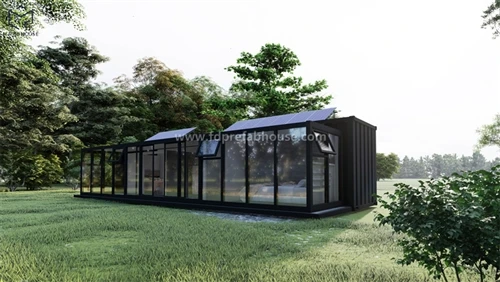
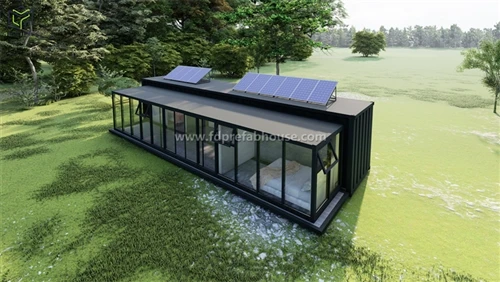
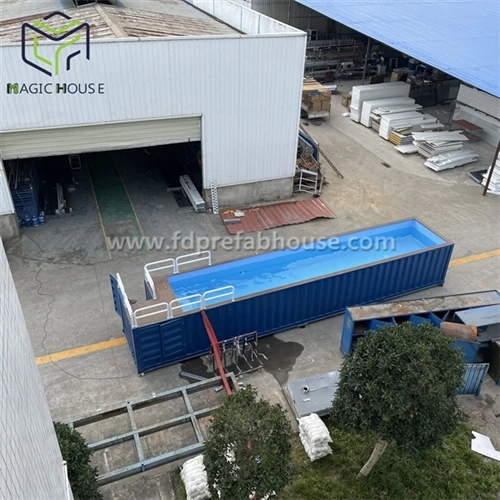
Recently, several Chinese manufacturers with in-house production capabilities have introduced an "industrialized waterproofing" solution for expandable container units exported to the U.S. These units maintain the dimensions of a standard 40-foot shipping container during transport; once on-site, an internal module can be extended outward to increase the available floor space.
To address the critical waterproofing challenge at the expansion joints, manufacturers have moved away from relying on on-site, ad-hoc cutting of materials. Instead, they provide a complete set of custom-fabricated, waterproof flashing components. Before leaving the factory, both these components and the corresponding joints on the container are clearly marked and numbered. Upon arrival and deployment, installation crews simply need to match the components to their designated positions-following the labels-and secure them using the provided fasteners.
This standardized installation approach eliminates dimensional errors caused by on-site fabrication and significantly reduces the need for extensive, labor-intensive sealant application. During pre-shipment testing, manufacturers subject the sliding mechanisms of the internal modules to rigorous fatigue testing, while also performing thermal cycling tests on the waterproof sealing strips. This ensures that the components remain tightly sealed even after enduring long-haul ocean freight and the significant temperature fluctuations common across North America.
Industry Insight: Shifting quality control for "hidden" construction elements-such as waterproofing-from the job site to the factory is becoming a key trend in the container architecture sector. This transition enhances delivery reliability, though it also places higher demands on a manufacturer's Bill of Materials (BOM) management and component-labeling systems.