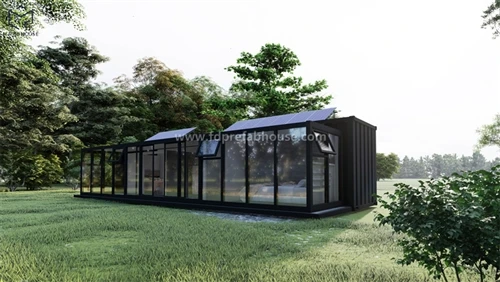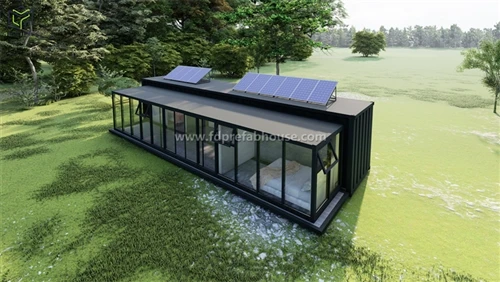
In the North American market, the limited rooftop area of container-based units typically restricts the capacity of flat-mounted photovoltaic (PV) arrays to between 5 kW and 10 kW. For off-grid applications requiring the operation of air conditioners, refrigerators, or communication equipment-including during nighttime hours-relying solely on PV generation is insufficient. Consequently, the integration of a lithium iron phosphate (LiFePO4) energy storage system is essential.
Industry experts point out that if a container unit relies exclusively on an AC power distribution system, the DC electricity generated by the PV panels must be inverted into AC, only to be rectified back into DC for devices like air conditioners. This process incurs significant conversion losses. Given the limited rooftop space available for power generation, these losses directly reduce the system's operational runtime.
To address this, a new generation of off-grid expandable container units has begun incorporating AC/DC hybrid power distribution. For instance, in expandable units featuring large floor-to-ceiling glass panels, equipment such as interior lighting and DC-powered refrigerators can be supplied directly via a DC bus, thereby eliminating unnecessary conversion stages. Devices requiring AC power are supplied through an inverter. An Energy Management System (EMS) coordinates PV generation and battery discharge in real-time, issuing alerts when energy levels fall below a set threshold. This approach not only preserves battery lifespan but also extends the system's operational duration during periods of overcast or rainy weather.
Industry Perspective: As U.S. states place an increasing emphasis on clean energy and carbon emissions, the adoption of "solar-plus-storage" systems-replacing or reducing the reliance on diesel generators-is shifting from a mere "eco-friendly bonus" to an economically sound, "cost-essential" requirement for projects in remote locations.