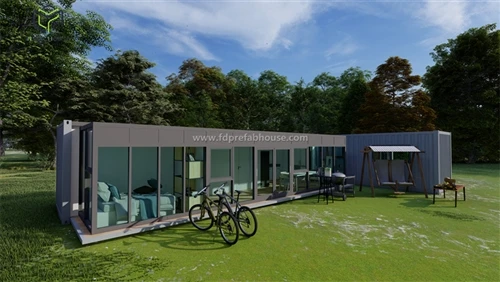
In many parts of Australia, especially regional and remote areas, traditional housing construction faces increasing challenges. High labor costs, limited availability of skilled workers, long construction periods, and unpredictable weather conditions have made conventional building methods more difficult to implement efficiently.
Remote communities often experience additional difficulties due to their geographical location. Transporting construction materials, arranging skilled trades, and managing long-distance project coordination can significantly increase project costs and extend construction schedules. In some remote areas, housing shortages have also affected the ability of local businesses, industries, and public services to attract and retain workers.
Compared with urban construction projects, remote housing developments require more consideration of logistics and construction efficiency. Traditional on-site construction is highly dependent on local labor availability and weather conditions, which may lead to delays caused by rain, extreme temperatures, or limited access to construction resources.