According to the *Australia Pool Market Report (2025–2034)* recently released by Expert Market Research, the Australian pool market is projected to expand at a compound annual growth rate (CAGR) of 6.44% between 2025 and 2034. A separate analysis by Deep Market Insights offers a more conservative estimate, projecting market growth from US$56.83 million in 2024 to US$79.74 million in 2033, with a CAGR of approximately 3.87%. Regardless of the data source, the driving force behind this growth points in a unified direction: consumer demand is shifting from merely "owning a pool" to "utilizing a high-quality pool."
This shift is particularly evident in product offerings. The report indicates that market growth is propelled by two key factors: rising demand for energy-efficient, eco-friendly designs and the widespread adoption of smart, automated pool technologies. Features such as automatic cleaning systems, energy-efficient pumps, smart lighting, and mobile-controlled temperature and filtration systems-once considered premium add-ons-are increasingly becoming standard in new pool installations. Simultaneously, the integration of eco-friendly practices-including solar heating, salt-chlorine disinfection, and water-saving filtration systems-reflects a significant increase in awareness regarding environmental impact among both consumers and pool service providers.
The role of the swimming pool in the residential sector is also evolving. The report suggests that pools are no longer viewed merely as leisure amenities but as functional spaces within a modern lifestyle that support family health, physical activity, and social interaction. The trend toward remote work has accelerated this shift in perception, prompting homeowners to re-evaluate their living spaces and view pools as investments in lifestyle comfort rather than just aesthetic enhancements. From an investment perspective, properties with pools in the Australian market continue to command a price premium of 10% to 13%, underscoring the asset value of pools as durable consumer goods.
Structural changes in market demand on the product supply side also warrant attention. A recent report by Domain indicates that "pool" remains the most searched keyword among Australian homebuyers-with the exceptions of Sydney, Melbourne, and Canberra, where the trend reflects affordability constraints rather than a lack of demand. Data from the Master Pool Builders Association Australia further reveals a 12% increase in pool construction applications during the July quarter, led by Queensland with a 37% quarterly rise. Kristin Brookfield, the association's CEO, noted that the industry has stabilized following post-pandemic cost fluctuations; clients now enjoy better access to products and labor, and prices have returned closer to pre-pandemic levels.
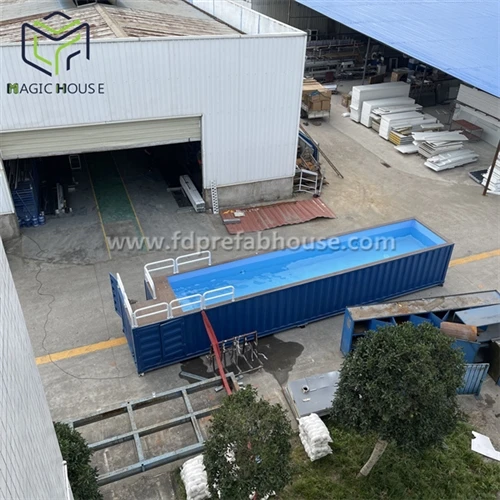
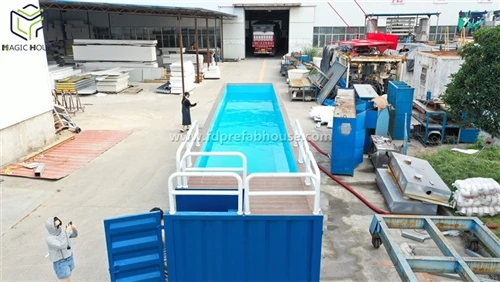
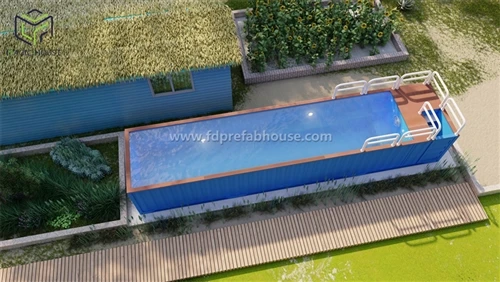
Notably, compact urban pools and rooftop pools are gaining traction, particularly in high-density areas with limited land. This trend places new demands on product design: the need to integrate full swimming, filtration, and heating capabilities within a small footprint while ensuring ease of installation. For pool product suppliers, this means that modularity, prefabrication, and compactness will be key focuses for product development in the coming years.