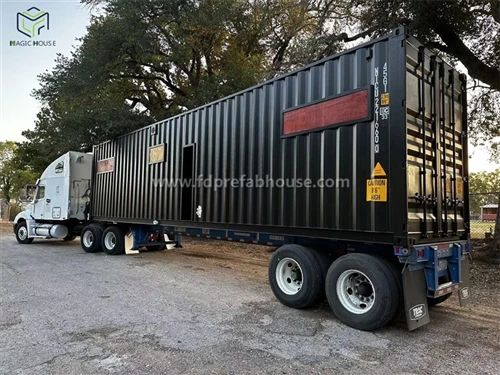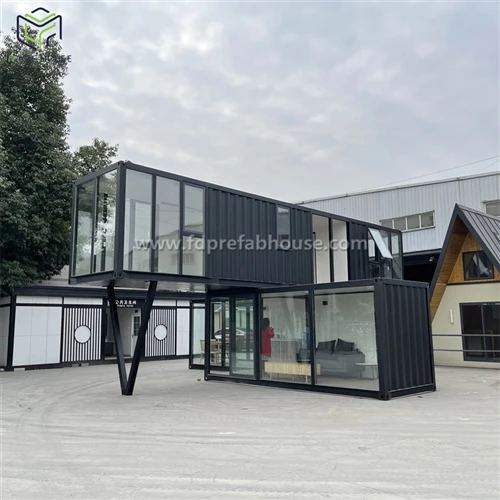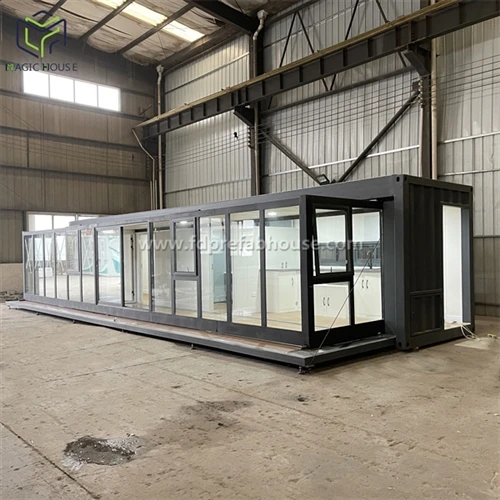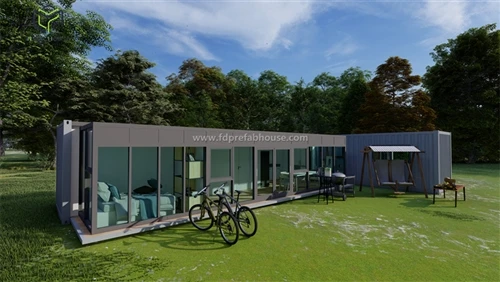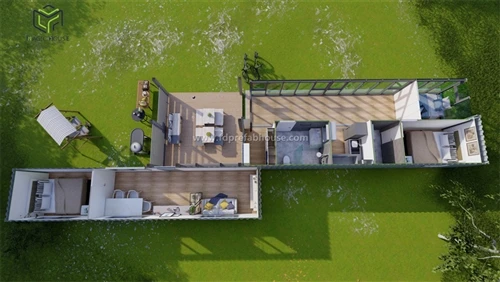
Australia's construction industry is seeing growing interest in prefabricated and modular building methods, particularly for small commercial spaces, temporary facilities and residential projects. Compared with traditional on-site construction, prefabricated buildings allow a larger proportion of the work to be completed in a controlled factory environment before the units are transported to the project site.
One factor behind this trend is the need to improve construction efficiency. Traditional building projects often involve multiple trades working on-site, with progress affected by weather, site conditions and the availability of local labor. Prefabrication can shift many activities, such as structural assembly, wall installation, electrical preparation and interior finishing, into the factory. This can reduce the amount of work required after the building arrives on site.
The approach is also relevant to Australia's geographic conditions. Large distances between cities and remote communities can make transporting construction workers and organizing materials more difficult. Factory-produced modules can be prepared before delivery, helping simplify some aspects of construction in locations where on-site resources are limited.
Another reason for the growing attention is flexibility. Prefabricated buildings can be used for applications such as site offices, accommodation units, retail spaces, cafés and other small commercial facilities. Modular designs can also be adapted to different layouts, insulation requirements, openings and interior configurations depending on the project.
For Australian projects, however, prefabrication does not remove the need for careful planning. Transport dimensions, local planning requirements, structural loads, insulation, ventilation and electrical standards all need to be considered before production. The suitability of a prefabricated building therefore depends not only on its factory production process, but also on how well the design responds to local site and regulatory requirements.
As Australia continues to look for more efficient ways to deliver buildings, prefabrication is becoming an increasingly relevant construction method. Its combination of factory-controlled production, reduced on-site work and design flexibility makes it particularly suitable for projects where construction time, labor availability and site conditions are important considerations.