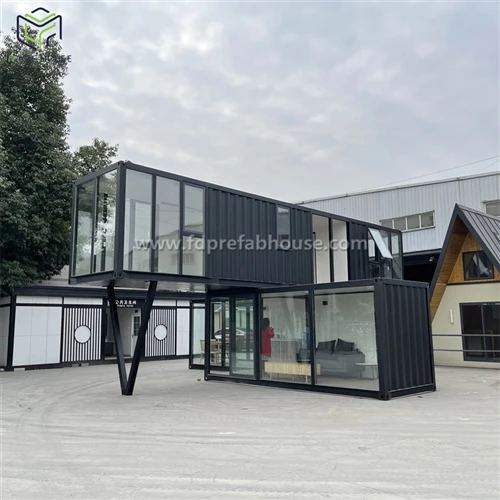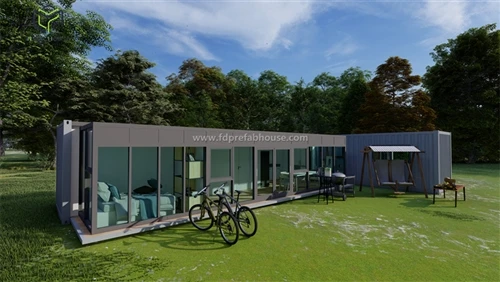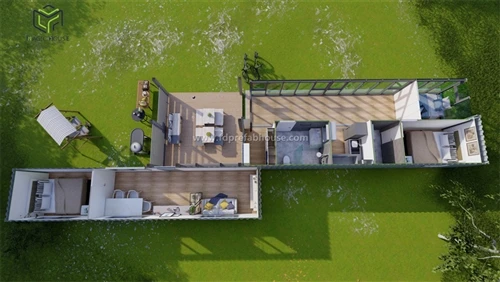
Europe's construction industry is increasingly looking at modular and off-site construction as a practical response to rising housing demand, labour shortages and the need for more efficient building methods. In recent years, modular buildings have gradually moved beyond temporary structures and are being considered for a wider range of residential, commercial and public projects.
One of the main reasons for this shift is the pressure on construction productivity. The European construction sector continues to face shortages of skilled workers, while material costs and project complexity remain important challenges. The European Parliament has identified modular and off-site construction as one of the approaches that can improve productivity, efficiency and cost-effectiveness.
Faster and More Controlled Construction
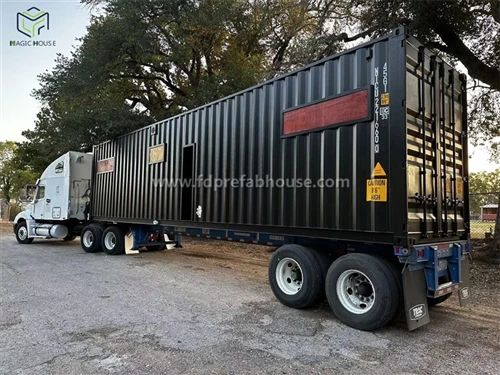
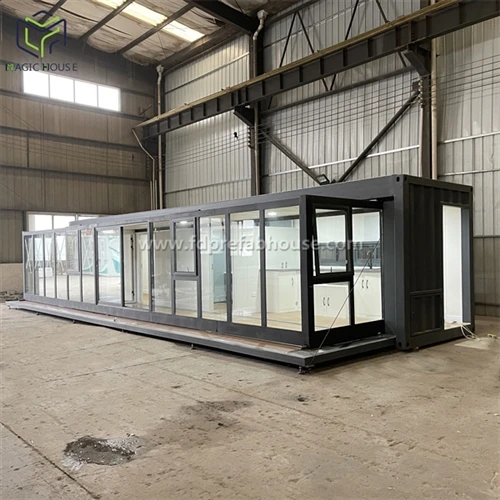
Unlike conventional construction, modular buildings are largely manufactured in a controlled factory environment before being transported to the project site. This allows several processes, including structural assembly, insulation, electrical installation and interior finishing, to take place simultaneously.
Off-site construction can also reduce the amount of work required on site and make project schedules less dependent on weather conditions. European construction research has reported that off-site methods can potentially shorten construction times by around 20–60%, although the actual result depends on the building type, design and local conditions.
For developers working on housing, accommodation, offices and other small-scale buildings, this approach can provide greater predictability during the construction process.
Housing Demand Is Supporting Adoption
Housing shortages are another important factor behind the growing interest in modular construction. Several European markets are exploring industrialised construction methods as a way to increase housing supply while controlling construction time and costs.
Sweden is one of the more established examples, with off-site or modular methods reportedly accounting for a significant share of new housing construction. Other European countries are also examining prefabrication and modularisation as part of broader strategies for affordable housing.
Modular construction is therefore becoming part of a broader discussion about how Europe can deliver housing more efficiently rather than simply being viewed as an alternative construction technique.
Sustainability and Renovation Are Becoming More Important
The role of modular construction is also expanding alongside Europe's energy-efficiency and renovation goals. Prefabricated components can be produced with more controlled material use, while factory-based production can help reduce construction waste and improve quality control.
The European Commission's recent discussion of prefabricated renovation highlighted its potential to shorten renovation periods, reduce disruption for occupants and improve working conditions.
This is particularly relevant as European countries increase efforts to improve the energy performance of existing buildings. Modular and prefabricated elements may be used not only for new buildings but also for extensions, façades, additional rooms and renovation projects.
Challenges Remain
Despite its advantages, modular construction is not suitable for every project. Differences in national building regulations, transportation requirements, planning procedures and local construction standards can make cross-border projects more complicated.
There are also questions around initial investment, design standardisation and the need for specialised skills. The European construction sector continues to experience labour shortages, with the workforce needed for industrialised construction and digital technologies expected to increase in the coming years.
As a result, the future of modular construction in Europe is likely to involve greater integration between factory production and traditional on-site construction rather than a complete replacement of conventional methods. Recent European industry discussions have also highlighted hybrid construction as a way to combine different materials and construction techniques while improving delivery speed, productivity and environmental performance.
Overall, modular buildings are becoming a more visible part of Europe's construction landscape. As housing demand, labour constraints, renovation requirements and sustainability targets continue to influence the industry, modular and off-site construction are likely to play an increasingly practical role in how smaller buildings and larger developments are planned and delivered.