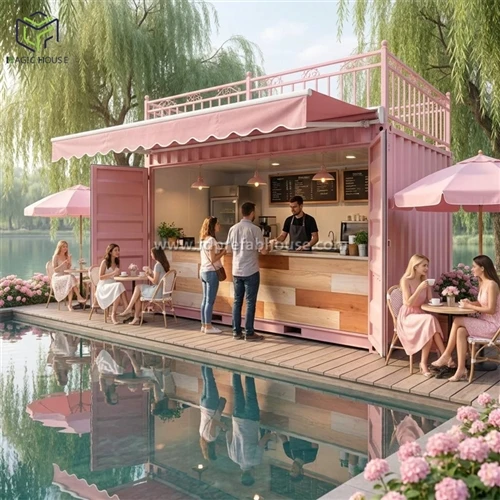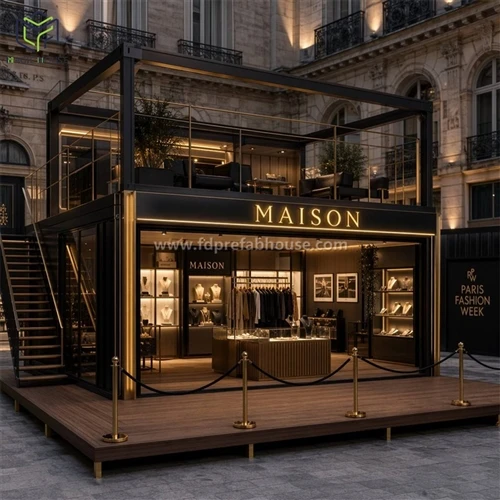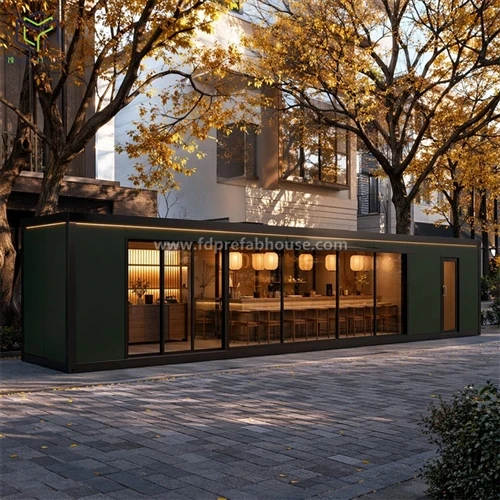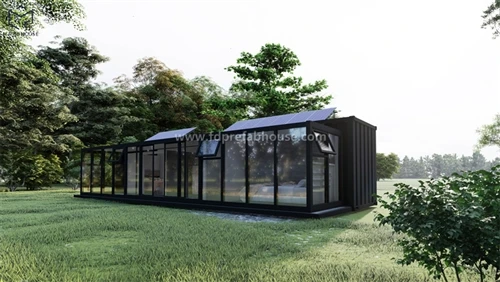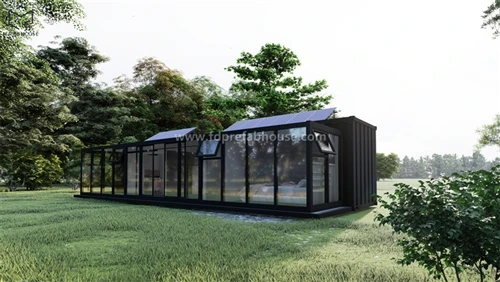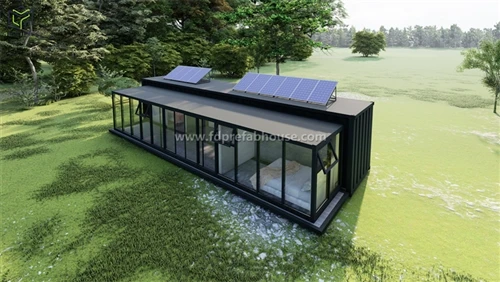
As the demand for "light-asset" retail and hospitality spaces grows across Australia's tourism, leisure, and commercial sectors, container cafés have emerged as a preferred format for investors. Industry research indicates that container cafés compliant with the National Construction Code (NCC) offer significant advantages over traditional brick-and-mortar structures: construction timelines are reduced by 60%, and initial capital expenditure is 35% lower. In prime locations, the payback period can be as short as 12–18 months, making site selection a critical, foundational step for project profitability.
Regulations for modular commercial structures vary significantly across Australian states. In New South Wales and Victoria, container cafés are classified as commercial structures, requiring both a Development Application (DA) and building certification. In certain parts of Queensland, a streamlined approval process may apply for "temporary" commercial structures; however, these must strictly adhere to AS/NZS standards for fire safety, thermal insulation, and structural loading. Local municipal reviews cover essential criteria such as the fire-resistance ratings of building materials, emergency egress, and accessibility (DDA compliance). Selecting a site that fails to meet these standards-even one with high foot traffic-carries the risk of a work stoppage, which can completely erode project returns.
In terms of Return on Investment (ROI), four types of locations consistently perform best in Australia: **coastal tourist destinations, transport hubs, industrial/business parks, and suburban communities.** Tourist areas, characterized by seasonal foot traffic, are well-suited for 20-foot single-container cafés, while industrial parks-offering steady, consistent traffic-are better served by expanded, multi-unit configurations that benefit from higher repeat-visit rates among workers. When evaluating potential sites, investors must look beyond mere foot traffic and verify zoning, drainage, utility connections (power supply), and fire-separation distances.
Chengdu Fangda Mofang (Fangda Modular) caters to the Australian market by ensuring that all units are prefabricated in the factory to meet NCC, AS1170 (structural loading), and AS/NZS 1530 (fire safety) standards. The company provides comprehensive technical documentation to assist overseas clients with municipal approval processes. This approach minimizes on-site modification costs and shortens approval timelines, ultimately enhancing the actual ROI once the site is operational.