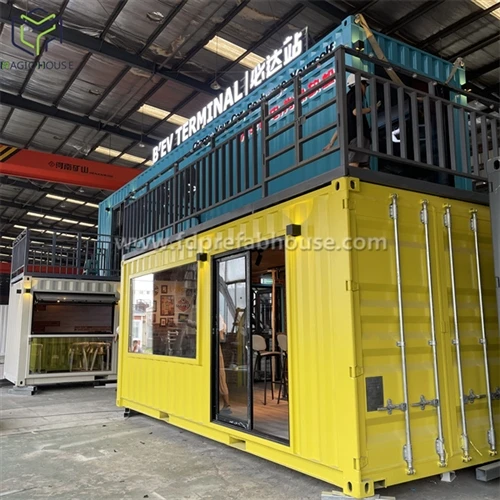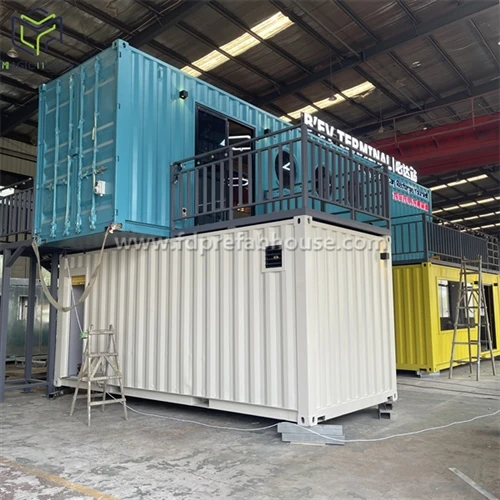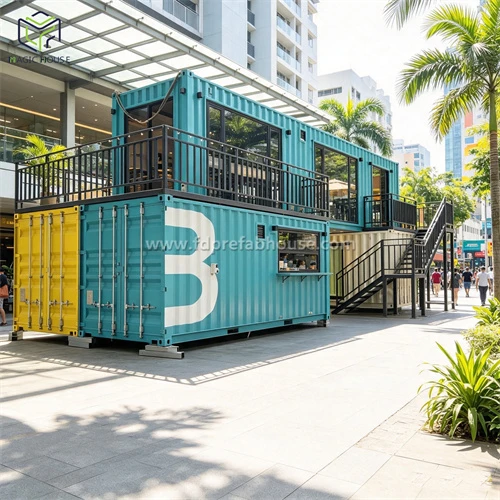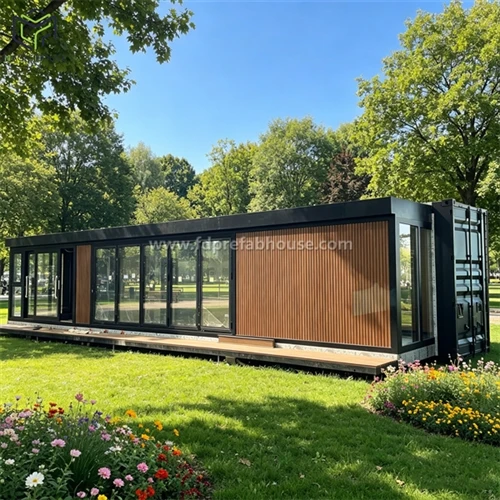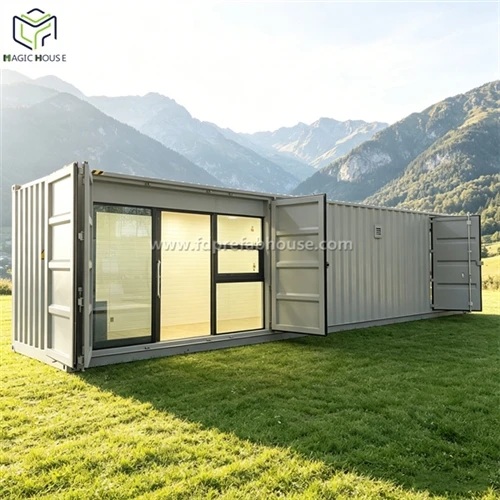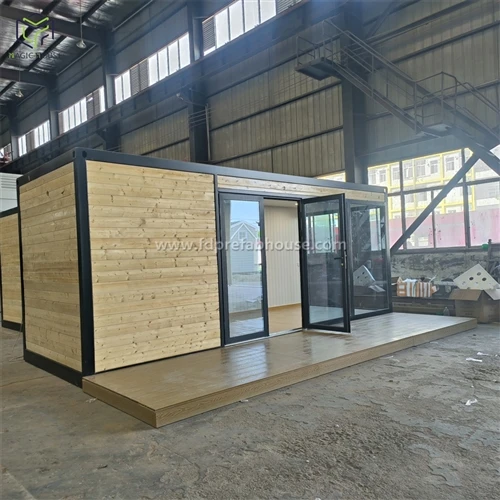
Modular construction is becoming an increasingly practical approach to delivering small buildings, particularly for projects where construction time, site conditions, and labor availability are major considerations. Unlike traditional construction, much of the building work can be completed in a controlled factory environment before the modules are transported to the project site.
This approach changes the sequence of construction. Structural frames, wall panels, insulation, electrical systems, doors, windows, and interior finishes can be prepared or installed before transportation, reducing the amount of work required on site. Once the modules arrive, installation mainly involves positioning, connection, utility integration, and final adjustments.
The change is particularly relevant to small commercial buildings, temporary facilities, accommodation units, cafés, offices, and remote-site buildings. For projects in areas affected by weather or limited skilled labor, moving more of the construction process into a factory can make scheduling easier to manage.
For international projects, modular construction also introduces new considerations, including module dimensions, transportation restrictions, lifting requirements, local building codes, insulation performance, and utility connections. As these factors become increasingly important, manufacturers and project developers are paying more attention to designing buildings around both factory production and on-site installation from the beginning.
Rather than replacing conventional construction in every application, modular construction is developing as another way to organize the delivery of smaller buildings-shifting more work from the construction site to a controlled manufacturing environment.