The number of charging points is no longer the core issue
In the first quarter of 2026, electric vehicles (EVs) accounted for 57.6% of new car registrations in Singapore, surpassing the combined total of internal combustion engine and hybrid models for the first time. As of March 2026, 30,500 charging points had been deployed across the island-exceeding half of the 60,000-point target-with approximately 3,500 being fast-charging units. Sun Xueling, Senior Minister of State for Transport, stated in Parliament that every HDB town would have at least one fast-charging hub by the end of 2027.
However, Associate Professor Jimmy Peng from the Department of Electrical and Computer Engineering at the National University of Singapore (NUS) raised a noteworthy point: the number of charging points is becoming a "vanity metric." With nearly 60% of new cars being electric, the relevant question has shifted from "how many charging points are there" to "how much usable charging capacity (in kilowatts) is available in the right locations."
What drivers do while charging has become a new area of focus
Fast charging typically takes 30 minutes to an hour, while slow charging can take three to four hours. How drivers spend this time is attracting the attention of operators and policymakers alike.
The commercial EV fast-charging hub at Jalan Papan, Jurong-which opened in July 2026-is currently Singapore's largest public fast-charging facility for commercial EVs, featuring 46 charging points and operated by Volt Singapore (a Keppel subsidiary). The hub was designed with a dedicated driver rest area, which is expected to open in the fourth quarter of 2026.
At the launch ceremony, Lim Yong Wei, Executive Director of Volt Singapore, noted that the hub's design prioritizes user experience. Features include a parking layout tailored to bus operational needs, expanded turning radii for vehicles, and clear signage to guide drivers to their charging bays.
This trend is not limited to commercial vehicles; Singapore's petrol station industry is also proactively adapting to these changes. Shell has introduced compact "fitness pods" at its Telok Blangah service station in Singapore, allowing customers to "squeeze in a workout" while their vehicles charge. Doong Shiwen, General Manager of Shell Mobility Singapore, noted that EV drivers had expressed a desire for activities to fill the waiting time.
What this means for amenities at charging stations
As charging times shift from a five-minute refueling stop to a wait of over 30 minutes, driver demand for surrounding services has evolved from "nice-to-have" to a factor that directly influences the willingness to use a charging station. Shopping malls have taken note: car owners parked near charging stations spend significantly more time inside the mall, and some cafes have reported a 25% increase in weekday afternoon revenue within three months of a charging station opening.
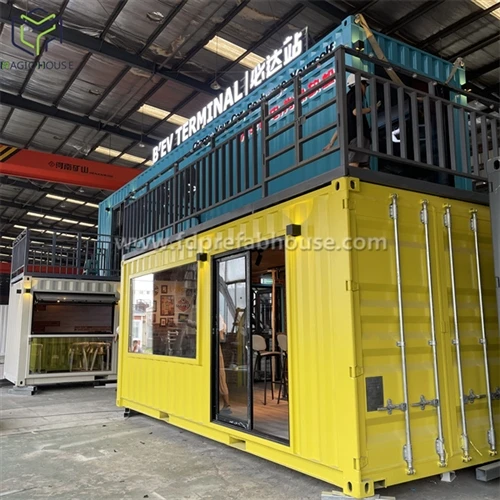
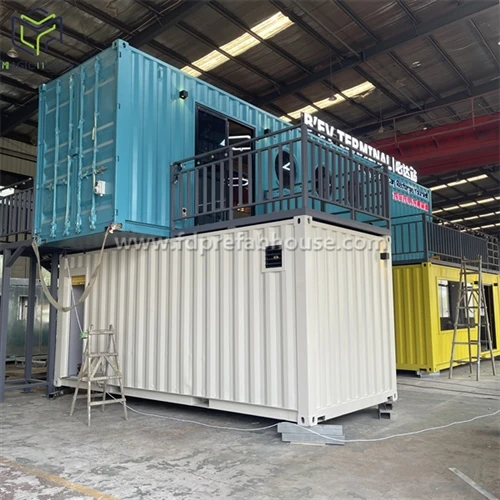
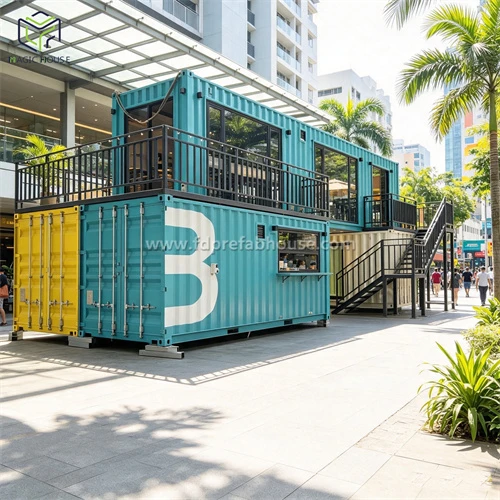
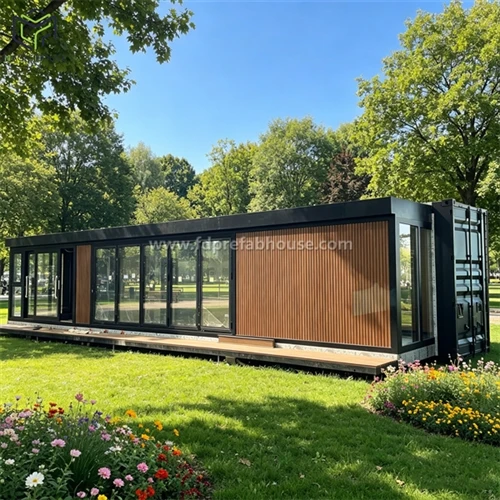
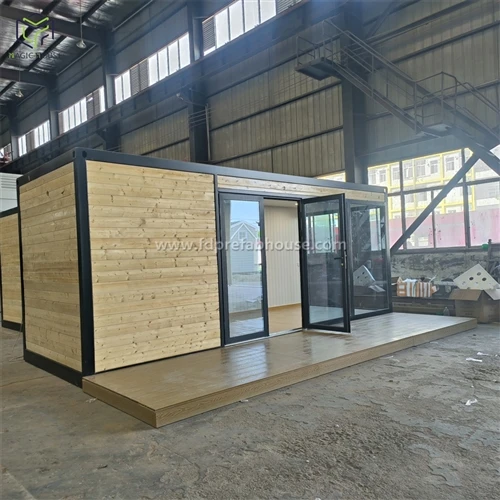
For charging station operators, incorporating dining and rest areas is no longer merely an add-on service but an integral part of a complete charging infrastructure. Prefabricated container-based structures are emerging as a practical solution to meet this demand, thanks to their rapid deployment and portability.