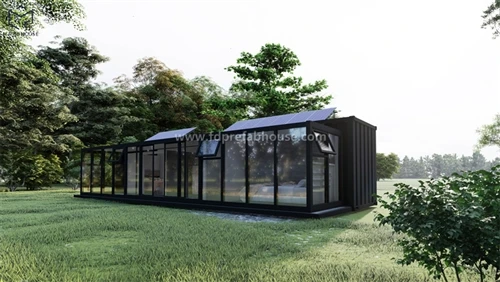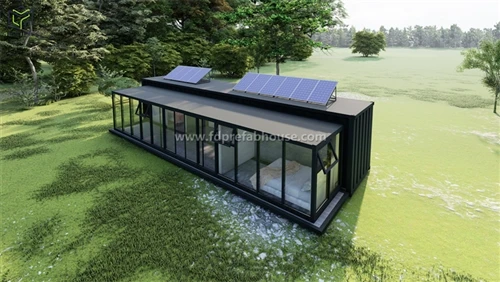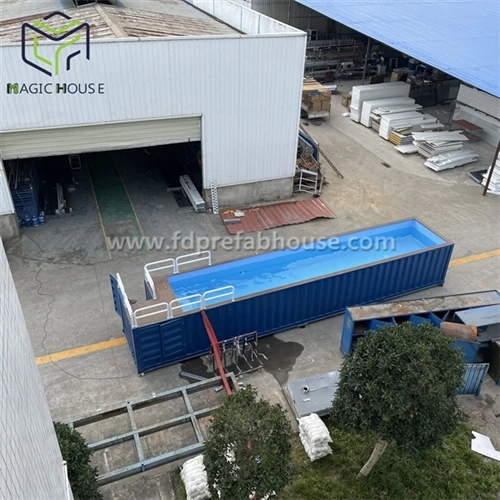
Driven by the global adoption of sustainable building concepts, the repurposing of used shipping containers and the market for low-carbon prefabricated modular buildings are experiencing explosive growth. In 2026, global orders for container-based tourism and leisure facilities rose by 27% year-on-year, making it the fastest-growing segment in the industry.
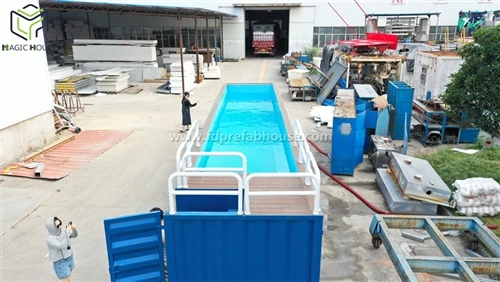
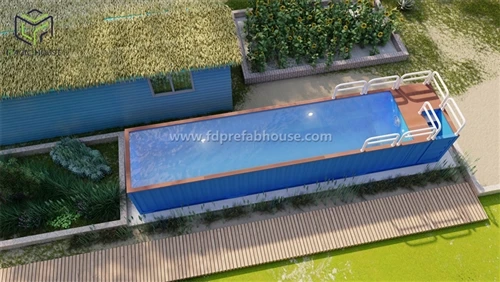
High-end "glamping" sites, island resorts, and mountain guesthouses across Europe, North America, and Australia are increasingly adopting container-based guest units, mobile cafés, and auxiliary facilities like container swimming pools. Compared to traditional construction, the use of recycled steel reduces construction waste by tens of millions of tons and aligns with national carbon-neutrality subsidy policies; in some regions, purchasing low-carbon modular buildings qualifies for government tax incentives.
Tourism projects in the Middle East (Oman, Saudi Arabia, and the UAE) are ramping up the deployment of smart container rest stops and retail outlets, featuring solar power and eco-friendly mobile toilets with microbial degradation systems to enable fully off-grid operations. Meanwhile, there is steady demand for integrated modular container complexes-comprising dormitories, offices, and medical facilities-at African mining sites and remote scientific research camps.
Key requirements for tourism project buyers include: personalized exterior customization (floor-to-ceiling windows, terraces, balconies, and multi-story duplex structures), sound insulation, high-quality interior fit-outs, and mobility/disassemblability. The ability to relocate entire units via crane for reuse after a project concludes significantly enhances asset utilization rates.
Emerging product trends in the industry include: smart container units becoming the standard configuration, featuring integrated remote energy monitoring, climate control systems, and all-in-one photovoltaic storage kits; lightweight, foldable containers that drastically reduce shipping volume, making them ideal for small-to-medium batch imports for tourism projects; and multi-story modular container commercial complexes designed for scenic areas, markets, and trendy commercial districts. Market data indicates that the low-carbon modular construction sector is projected to grow at a compound annual growth rate (CAGR) of 7.5% between 2026 and 2035, with growth rates in the cultural tourism and outdoor camping segments significantly outpacing the residential sector; long-term, stable procurement orders are concentrated among primary manufacturers capable of providing custom designs for cultural tourism, eco-friendly supporting systems, and comprehensive, multi-scenario delivery solutions.