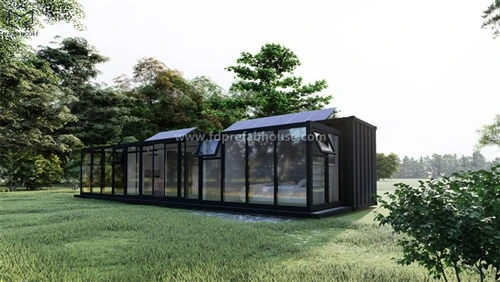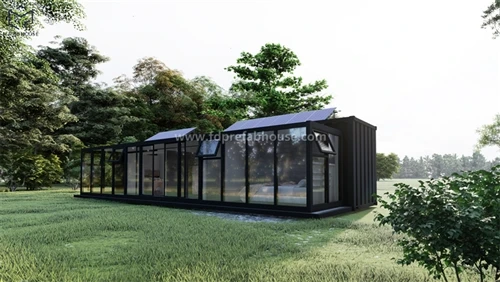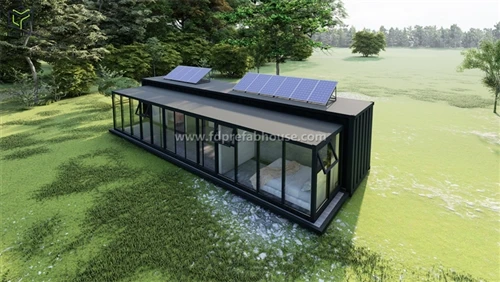
The essence of container architecture is transforming standardized shipping containers into fully functional, safe, and comfortable built spaces. Below we break down dimensions, materials, classifications, and the modification process step by step.
1. Standard Container Dimensions: The Starting Point of Modularity
ISO‑defined general‑purpose dry containers fall into three main categories:
| Type | External Dimensions (L×W×H) | Internal Dimensions (approx.) | Max Gross Weight | Volume (approx.) |
|---|---|---|---|---|
| 20‑ft GP | 6058×2438×2896 mm | 5.89×2.35×2.39 m | ~17.5 t | 24‑26 m³ |
| 40‑ft GP | 12192×2438×2896 mm | 12.03×2.35×2.39 m | ~22 t | 54 m³ |
| 40‑ft HC | 12192×2438×2896 mm (9'6″ tall) | 12.03×2.35×2.69 m | ~22 t | 68 m³ |
The 40‑ft high cube (HC) provides about 30 cm of extra height, which is ideal for overhead rack installations or creating a spacious interior. Fangda Magic House primarily uses 20GP and 40HC modules, flexibly combining them to meet different area requirements.
2. Key Material Parameters: The Basis of Safety and Comfort
The choice of materials directly affects structural strength, thermal insulation, and fire performance.
Structural steel: Q235B or Q355B steel frames, offering excellent tensile strength and weldability. Seismic fortification intensity can reach 7‑8 degrees, wind pressure resistance ≥0.8 kN/m².
Insulation layer: 50–100 mm rock wool or polyurethane sandwich panels with low thermal conductivity, keeping interiors cool in summer and warm in winter.
Fire rating: Up to Class A (non‑combustible) or B1 (difficult to ignite), meeting fire safety requirements for public buildings.
In material selection, Fangda Magic House strictly follows ISO9001, ISO14001, and ISO45001 certifications, focusing on material recyclability to ensure high standards of safety, environmental protection, and durability.
3. Classification by Application
From a functional perspective, containers can be divided into several professional types:
| Type | Main Features |
|---|---|
| Dry cargo container | Most common enclosed type, suitable for living spaces, offices |
| Open‑top container | Removable top, ideal for coffee shop terraces or high‑ceiling spaces |
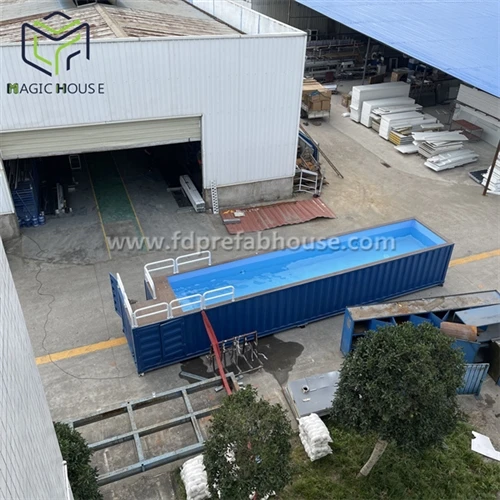
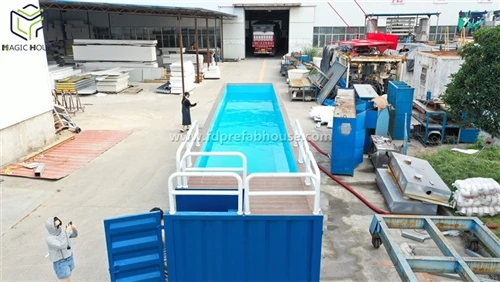
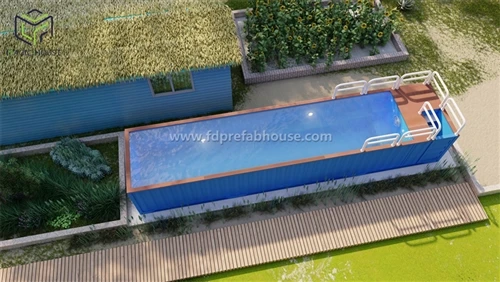
| Flat‑rack container | No side walls, suitable for swimming pools, garden rooms, open structures |
| Reefer container | Built‑in insulation and cooling system, excellent thermal performance after modification |
| Tank container | Can be turned into a specialty bar, beverage kiosk, or other creative spaces |
Fangda Magic House's product line covers customized modifications of many of these types, especially dry cargo, open‑top, and flat‑rack containers for hotels, resorts, scenic areas, and commercial streets.
4. Modification Process: From Cargo Box to Functional Building
A typical container modification project follows these steps:
Step 1: Design – Determine the functional positioning (residential/commercial/public facilities) based on customer needs, and complete layout, opening positions, door/window placement, and MEP routing.
Step 2: Structural treatment – Remove rust, grind, and apply anti‑corrosion treatment; cut openings for doors/windows at designated positions and perform structural reinforcement.
Step 3: Insulation & waterproofing – Install rock wool or polyurethane insulation (50–100 mm thick) on the interior walls, apply waterproofing, and install sealing strips for air‑ and water‑tightness.
Step 4: Interior finishing – Install interior wall cladding, flooring (bamboo or composite), ceiling, and lighting; lay water and electrical lines, and install sanitary ware, air conditioning, etc.
Step 5: Exterior finishing – Apply exterior paint according to project style; custom finishes (including aged metal paint, wood‑like grain, etc.) are available.
Step 6: Inspection & delivery – Carry out structural strength tests, air‑tightness tests, and fire tests; after passing, the unit is packed and shipped.
Fangda Magic House operates its own 20,000+ m² factory covering material warehouse, production workshop, and finished product area, ensuring end‑to‑end quality control.