From "Waiting" to "Engaging": Unlocking Commercial Value During Charging
An EV owner spends approximately six to twelve times longer at a charging station than at a traditional gas station. Fast charging takes between 30 minutes and an hour, while slow charging takes even longer. During this time, owners are not merely "waiting"-they are drinking coffee, having lunch, replying to messages, or browsing nearby shops. A café owner in Tanjong Pagar shared an observation: after a charging station was installed in the adjacent parking lot last year, his weekday afternoon revenue rose by 25% within three months. EV owners would walk over to buy coffee and pastries while charging; some even began holding brief work meetings at the café, since they had a 30-to-45-minute wait anyway.
This phenomenon is corroborated by data from shopping malls: centers equipped with charging stations report longer dwell times for EV drivers. For charging station operators, this implies that the ancillary service space is not merely an "add-on facility" but a value generator in its own right.
**What should a space designed for a 30-minute window look like?**
If the charging cycle lasts 30 minutes, the core design challenge is not aesthetics, but efficiency. The walking path from the parking spot to the service counter must be short, wait times for ordering and pickup minimized, and power outlets provided near seating-the accumulation of these details determines whether 30 minutes is sufficient for a meal.
However, if the charging time is longer, or if a driver is charging in the evening after a long stint behind the wheel, the spatial requirements shift. They might need a cup of coffee and a relatively quiet environment rather than a high-turnover dining area. The same individual may have different spatial needs depending on when during the day they charge.
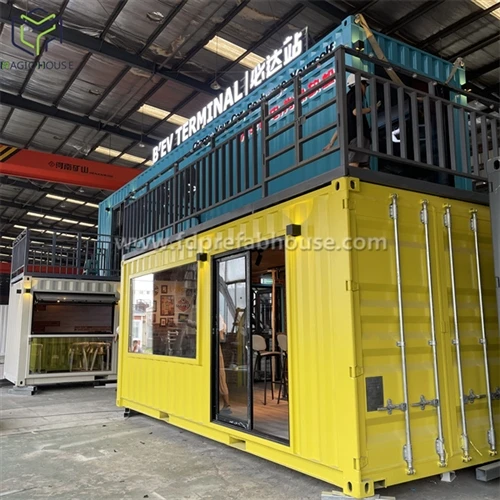
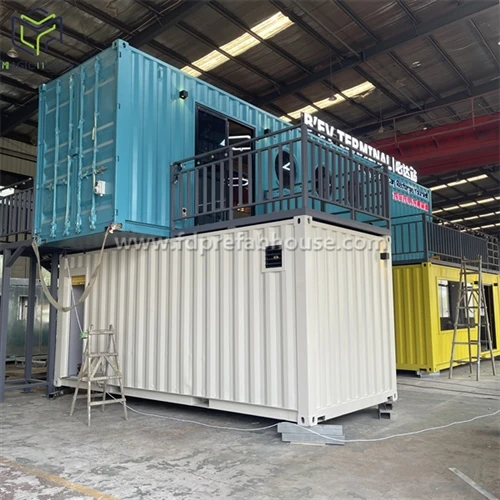
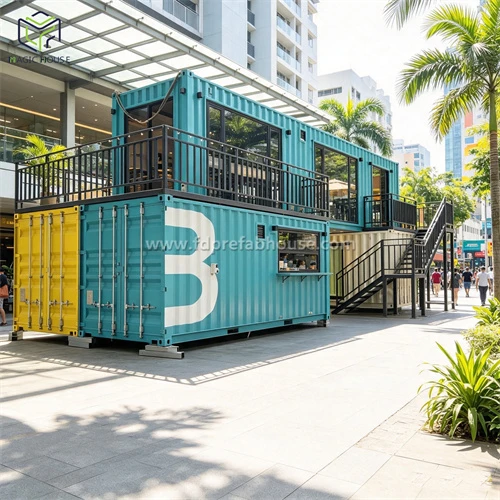
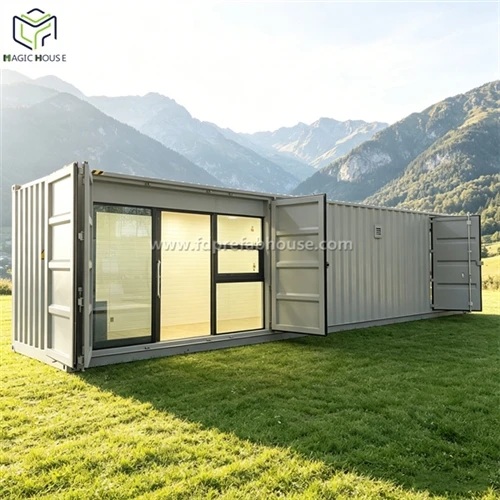
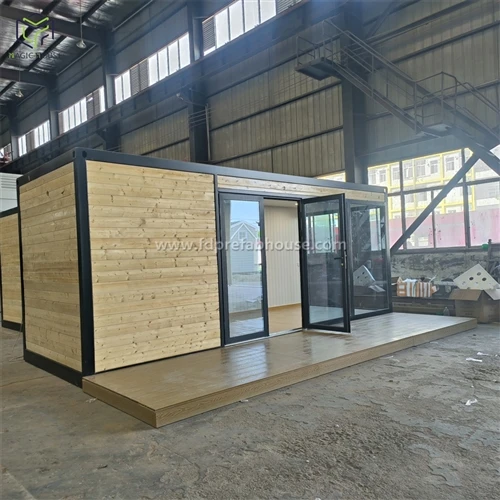
This explains why container cafés accompanying charging stations in Singapore often feature a split-level design: the lower level caters to quick dining needs, while the upper level accommodates quiet rest and light work. This vertical zoning is not intended to make the space "look larger," but rather to respond to the driver's varying states at different times.
**What scope do regulations allow for container-based solutions?**
Singapore's Building and Construction Authority (BCA) has established a clear approval pathway for container structures under its Temporary Building scheme. Container buildings of up to two stories can follow the temporary building approval process; applications must be submitted by a Professional Engineer (PE), and the BCA must receive the submission at least three weeks prior to the planned construction.
The BCA enforces specific structural safety requirements for the use of containers as buildings, mandating that top beams, bottom beams, and corner castings must not be cut or removed in any way. In practice, these requirements mean that all openings and utility penetrations for interior fit-outs must be located in non-load-bearing areas, and plans for embedded utilities must account for structural constraints during the design phase.
This constraint is precisely where factory prefabrication offers a distinct advantage. In a factory setting, utility routing and the placement of openings can be executed with precision based on structural drawings, eliminating the need for on-site workers to make ad-hoc judgments about whether a structural element can be cut. Each step of the process is verified at established inspection points, ensuring the structural integrity and functionality of the unit's electrical and plumbing systems before it leaves the factory.
The Next Step for Charging Station Ancillary Facilities
Singapore plans to deploy 60,000 charging points by 2030, with at least one fast-charging hub in every HDB town by the end of 2027. As the charging network transitions from the "coverage" phase to the "optimization" phase, the quality of ancillary services at these sites will increasingly influence drivers' choices.
Charging speeds for fast-charging units continue to rise-some newly deployed 360kW charging cabinets can add 300 kilometers of range in just 10 minutes. Yet, even with faster charging, the time drivers spend at the station remains a reality. They still need to find a parking space, plug in the charging cable, and settle the payment. Consequently, the quality of the experience during this time is shifting focus from the technical specifications of the charging unit to the station's overall service capabilities.
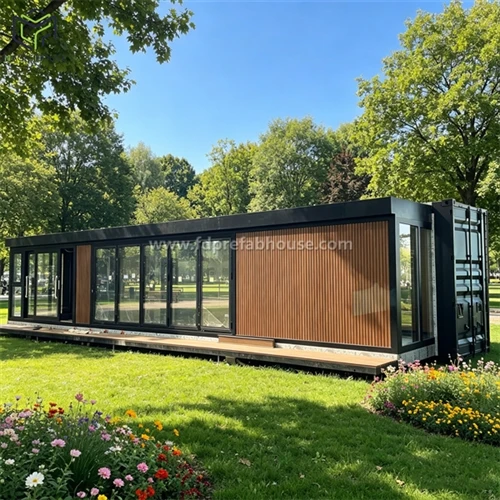
For charging station operators, deploying a fully functional, rapidly installable, and relocatable rest area for drivers is no longer merely a "value-add"; it has become an integral component of the charging station's role as essential urban infrastructure.