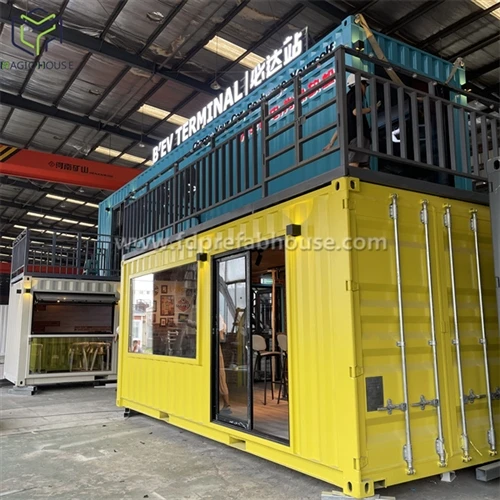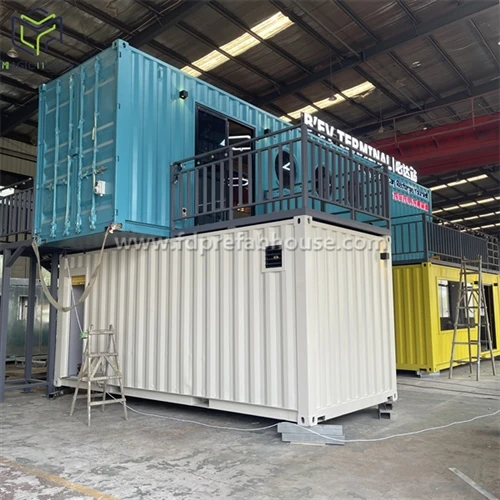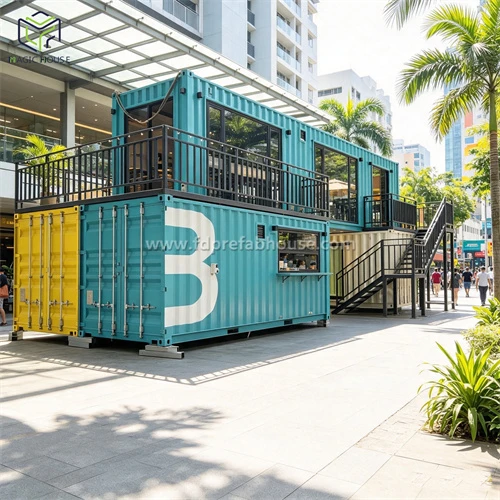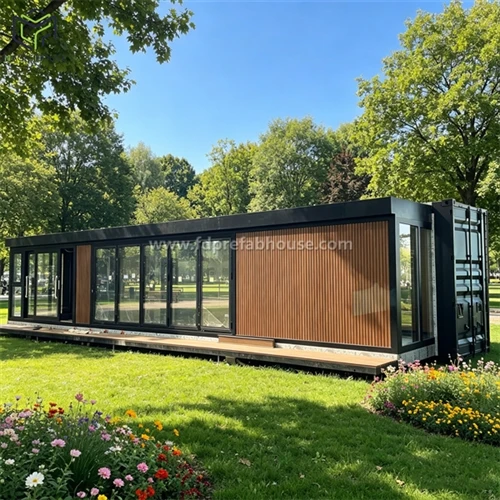
[Market Trends] Regulations governing backyard "granny flats" continue to relax across Australian states, creating a clear demand pathway for prefabricated housing products. A review of industry policies reveals that New South Wales (NSW) has established a mature "Complying Development Certificate" (CDC) fast-track approval process, allowing eligible projects to benefit from streamlined procedures. Victoria is advancing its "small second dwelling" reforms, with most compliant projects exempt from planning permits. Meanwhile, Western Australia (WA) has raised the maximum floor area for granny flats to approximately 70 square meters and explicitly expressed support for modular and prefabricated construction methods.
Policy signals are also emerging from the supply side. In May 2026, the Australian federal government pledged A$54 million in funding for prefabricated and modular housing. Concurrently, Western Australia allocated A$49 million through its Housing Innovation Fund to support 15 local housing manufacturing projects utilizing modern construction methods such as prefabrication and modularity. The rise in government orders not only validates the policy standing of the modular approach but also imposes stricter requirements on manufacturers regarding quality certification and delivery capabilities; government-funded social housing projects increasingly prioritize quality certification, manufacturing automation, and proven delivery track records when selecting suppliers.
However, the fragmented nature of approval regulations across Australian states remains a recognized structural hurdle for the industry. The absence of a unified national framework means that product compliance must be tailored to each state's specific requirements. For imported products, this entails configuring electrical systems to AS/NZS standards (including RCD protection and Australian-standard faceplates), ensuring structural documentation supports local engineering certification, and mandating that gas system modifications be performed by licensed Australian professionals. Consequently, compliance capability-rather than price-is becoming the primary barrier to entry for overseas manufacturers.
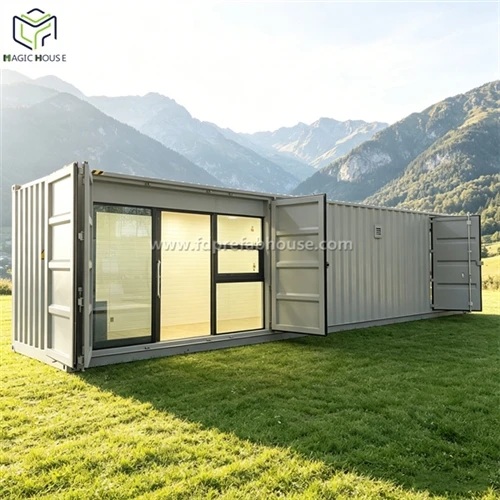
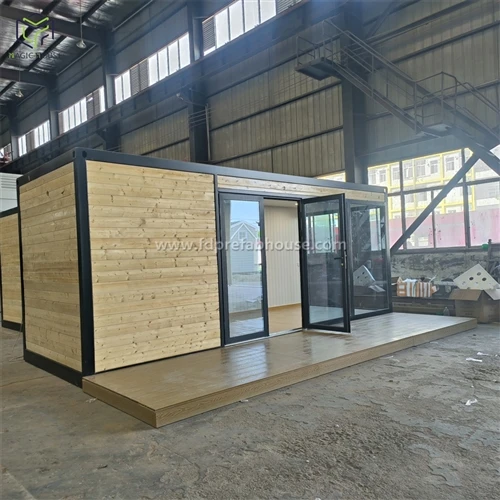
Industry Insight: The "backyard economy" is characterized by fragmented orders, small batch sizes, and delivery locations scattered across both urban and rural areas-features that align perfectly with the container home model of "factory prefabrication, full-container ocean freight, and rapid on-site assembly." Yet, favorable policies do not equate to an exemption from inspections; specific requirements at the local council level must still be verified on a case-by-case basis-a rule that applies equally to all market participants.