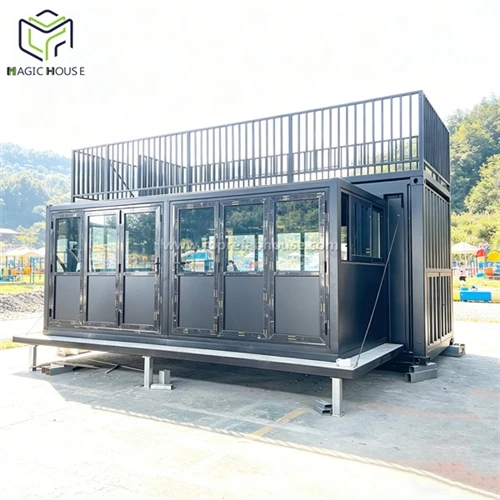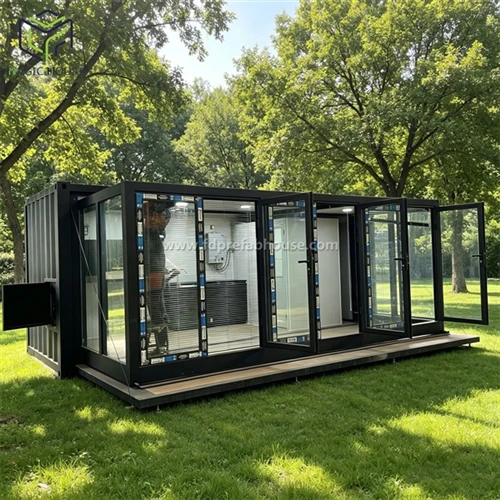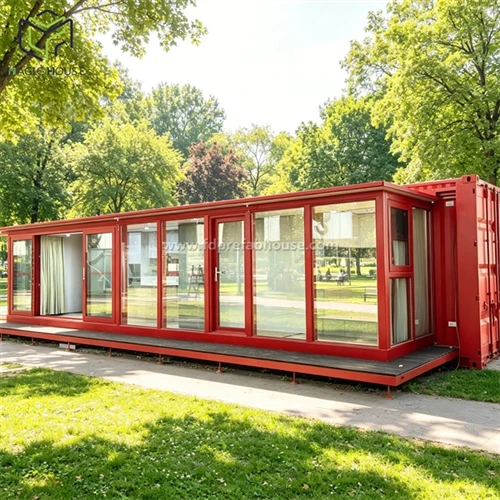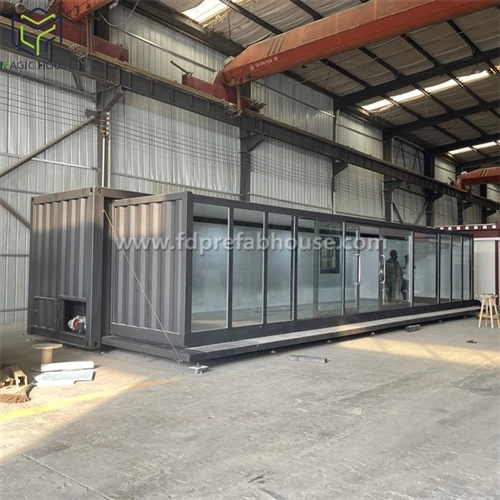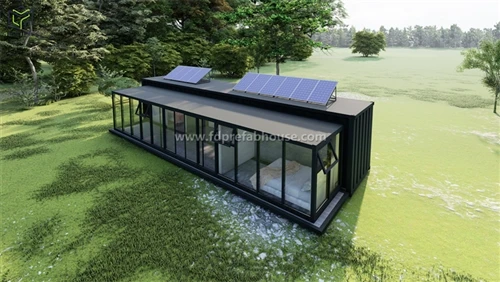
Constructing a traditional concrete pool takes anywhere from 6 to 18 months from groundbreaking to filling. The process involves a lengthy series of steps-excavation, rebar tying, concrete pouring, curing, tiling, and equipment installation-all while being at the mercy of the weather. Container pools, on the other hand, are over 90% prefabricated in the factory; once hoisted into place on-site, they can be ready for use in as little as seven days.
This is no fantasy-the global modular pool market reached a valuation of $2.4 billion in 2025 and is projected to expand at a compound annual growth rate (CAGR) of 5.20%. Within this sector, container pools are emerging as the fastest-growing segment, thanks to four key advantages: speed, cost-efficiency, flexibility, and eco-friendliness.
If you are looking for a pool solution for a hotel, guesthouse, resort, or private garden, this article will answer your questions: Are container pools actually reliable? How do they compare to traditional pools? And how can you choose the right one without falling into common pitfalls?
Roadmap
By the end of this article, you will have mastered the following key information:
Industry Overview:Market size, development trends, and core characteristics of container pools.
Technical Specifications:A comprehensive look at the technical systems, from container materials to water treatment setups.
Comparative Analysis: A head-to-head comparison of container pools versus traditional pools regarding construction time, cost, and durability.
Application Scenarios: Real-world examples ranging from guesthouses and hotels to private villas.
Buying Guide: How to identify high-quality manufacturers and avoid common pitfalls.
I. In-Depth Analysis of the Container Pool Industry
What is a container pool?

A container pool is an aquatic facility created by professionally modifying a standard shipping container (typically 20-foot or 40-foot models) to include features such as water containment, circulation and filtration, temperature control, and safety systems. Born from mature modular container architecture, it represents an innovative fusion of modular building methods and specialized hydraulic engineering.
Simply put, it involves transforming a steel box originally designed for cargo transport into a functional swimming pool-though the process entails far more than just "cutting a hole and filling it with water." 1.2 Market Size and Development Trends
Industry data indicates that the container pool sector maintains a steady compound annual growth rate (CAGR) of over 6%, with modular products designed for leisure and entertainment representing one of the fastest-growing segments. The global modular construction market continues to grow at a CAGR exceeding 8%; as a representative modular product for leisure and wellness, container pools are experiencing particularly rapid growth.
In the Chinese market, the modular construction industry is projected to grow at a CAGR of over 25%, with applications in the cultural tourism sector accounting for 60% of the total. This means that six out of every ten container pool projects serve the cultural tourism industry, with homestays, resorts, scenic areas, and campsites serving as the primary application venues.
Key Industry Characteristics
The container pool industry exhibits three distinct characteristics:
A combination of standardized production and personalized design: Standard shipping container dimensions serve as the basic module, ensuring structural safety and production efficiency, while internal pool systems, exterior finishes, and functional features offer a high degree of customization.
High level of technical integration: The product integrates multiple professional disciplines-including structural mechanics, water circulation/filtration/disinfection systems, waterproofing and thermal insulation, and electrical safety-requiring manufacturers to possess cross-disciplinary integration capabilities.
Diverse application scenarios: Highly adaptable, these pools are suitable for a wide range of settings, from high-end resorts and boutique hotels to community commercial centers, campsites, schools, and private villas.
Core Technical Parameters and Product Specifications
Standard Size Specifications
Container pools utilize standard shipping containers as their basic modules; common specifications are as follows:
Specification External Dimensions (L × W × H) Applicable Scenarios
20-foot Standard Model 5800 × 2200 × 1800/2400 mm Private courtyards, small homestays
40-foot Standard Model 11800 × 2200 × 1800/2400 mm Hotels, resorts, training pools
Custom Sizes Customizable upon request Adaptation to unique spaces
Regarding depth, container pools typically feature a shallow zone of approximately 1.5 meters, with customizable depths of up to 2.5 meters available.
Key Performance Parameters
A well-designed container pool project requires the comprehensive consideration of the following core parameters:
Structural strength: Typically utilizes weathering steel with a yield strength ≥345 MPa.
Anti-corrosion treatment: Hot-dip galvanizing or specialized coatings to ensure a service life of over 10 years outdoors.
Water circulation efficiency: Circulation cycle ≤4 hours.
Thermal insulation: Polyurethane foam with a thermal conductivity ≤0.024 W/(m·K).
Steel recyclability: >95% (eco-friendly).
System Configuration
A container pool is not merely an empty container; it is a "plug-and-play" product integrating a complete water treatment system:
Filtration system: Sand filter or diatomaceous earth (DE) filter.
Disinfection method: Chlorine, salt-chlorine, or ozone disinfection.
Temperature control system: Heat pump or gas heating.
Additional features: LED ambient lighting, massage systems, wave-making systems, glass viewing windows, audio systems, etc.
III. Container Pools vs. Traditional Pools: A Comprehensive Comparison
Construction Timeline Comparison
Comparison Dimension Container Pool Traditional Concrete Pool
Construction Period 7–30 days (including foundation work) 6–12 months
On-site Construction Requires only hoisting into place and utility connections Multiple processes: excavation, rebar tying, pouring, curing, etc.
Weather Dependency Low (factory prefabrication) High (outdoor construction heavily affected by weather)
Time Savings 60%–80% shorter than traditional pools -
Container pools undergo all manufacturing processes-including welding, waterproofing, equipment pre-installation, and interior finishing-within the factory. Once the finished unit is transported to the site, only ground leveling and simple hoisting into position are required. Approximately 90% of the work is completed in the factory, with on-site installation typically taking just 1–5 days. 3.2 Cost Comparison
Comparison Factor Container Pool Traditional In-ground Pool
Initial Investment $20,000–$65,000 (depending on customization) $35,000–$100,000+
Labor Costs Low (factory-prefabricated; minimal on-site installation) High (extensive on-site labor)
Equipment Room Integrated equipment; no separate room required Separate equipment room required
Total Cost of Ownership Clear and controllable Subject to many uncertainties
Note: While the initial investment for a container pool is generally lower than that of a traditional pool, costs can approach or even exceed those of a traditional pool if complex foundation work, special customization, or high-end accessories are involved. Be sure to request a comprehensive price quote from the manufacturer when purchasing.
Comparison of Durability and Maintenance
Comparison Aspect Container Pool Traditional In-ground Pool
Shell Material 6mm Q235-B steel, fully welded Concrete, fiberglass, or vinyl liner
Leak Prevention Waterproof liner, internal welding, coatings Liner seams, grout joints (risk of cracking)
Portability Fully portable; can be moved if relocating Permanent; fixed to the ground
Corrosion/Integrity Challenges Requires periodic rust inspection Concrete prone to cracking and leakage
Service Life Steel structure + marine-grade coating; lasts 10+ years Depends on construction quality
Quick Overview of Pros and Cons
Container Pool Advantages:
Fast installation, controllable costs
Portable and reusable
Factory-prefabricated with controllable quality
Eco-friendly (uses recycled steel
Container Pool Limitations:
Primarily rectangular shapes (cannot do free-form designs)
Narrow width (standard container width is approx. 2.2 meters)
Metal material loses heat quickly in cold weather
Requires a crane for installation
Requires periodic rust checks
Application Scenarios and Typical Case Studies
Key Application Scenarios
Container pool applications have expanded from early "viral" photo spots into various sectors:
Tourism & Resorts: Boutique hotels, themed resorts, unique amenities for homestays
Commercial Operations: Rooftop bar pools, mobile pool party venues
Public Facilities: Schools, gyms, community centers
Private Customization: High-end villa gardens, private pools
Temporary Events: Sports event amenities, pop-up experiences
Typical Case Studies
Ohai Nazaré Resort (Spain): Features one of Europe's largest and tallest swimming pools, custom-built from standard shipping containers.
Floating Hotel Project (Cambodia): Comprises an expansive panoramic pool, terrace bar, restaurant, aquatic leisure area, and six luxury container hotel units; a comprehensive floating resort integrating dining, entertainment, sports, and accommodation. Domestic B&B Application: Multiple containers are combined to form a B&B courtyard complex, paired with a container pool to create a complete "container B&B + pool" vacation experience.
Purchasing Guide: How to Identify High-Quality Manufacturers
Common Consumer Pain Points
Industry research indicates that project developers face three main pain points when purchasing container pools:
Pain Point 1: Quality risks and difficult maintenance. Non-specialized manufacturers may overlook structural waterproofing and equipment compatibility, leading to leaks, corrosion, or frequent system failures.
Solution: Choose manufacturers with a complete production chain and strict quality control systems that ensure control from the raw material stage and provide clear O&M manuals and long-term technical support.
Pain Point 2: Uncertain delivery schedules. Projects involving multi-party collaboration are prone to delays.
Solution: The advantage of modular production is that over 90% of the work is completed via factory prefabrication, allowing for rapid on-site hoisting and assembly. Capable manufacturers utilize standardized production processes and can provide precise delivery commitments.
Pain Point 3: Designs detached from operational reality. Attractive aesthetics but inconvenient functionality.
Solution: Excellent manufacturers adopt an integrated "design-production-operation" mindset and can offer layout recommendations based on practical, real-world experience.
Key Dimensions for Evaluating Manufacturers
When evaluating a container pool manufacturer, consider the following dimensions:
Evaluation Dimension Key Points to Check
Structural Safety Container structural calculations, welding techniques, anti-corrosion treatment; availability of structural calculation reports
System Integration Integrated design of water circulation, filtration, temperature control, disinfection, and lighting systems
Customization Capability Ability to customize exterior, interior, and additional features
After-sales Service Provision of installation guidance, system commissioning, operational training, and maintenance support
Certifications Possession of relevant certifications for construction, electrical systems, and health/safety
Customization Process
A typical container pool customization process includes:
Requirement Discussion: Clarifying needs regarding dimensions, functions, and aesthetics
Design Proposal: Manufacturer provides design plans and price quotes
Factory Production: Welding, waterproofing, equipment pre-installation, and interior finishing completed at the factory
Logistics & Transport: Finished product transported to the site
Hoisting & Installation: On-site hoisting into position and utility connections (water/electricity)
Commissioning & Handover: System testing and operational training