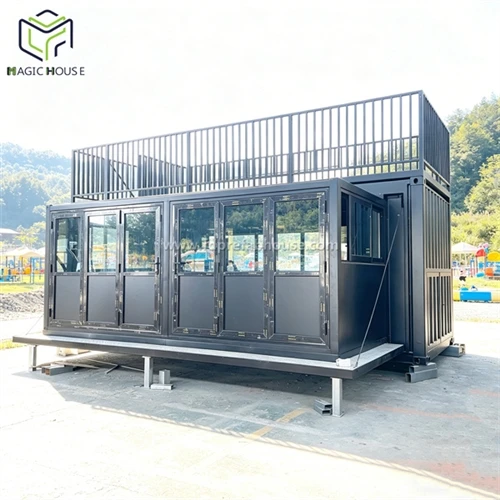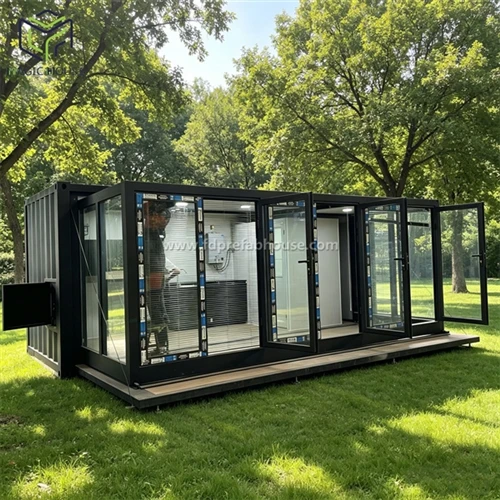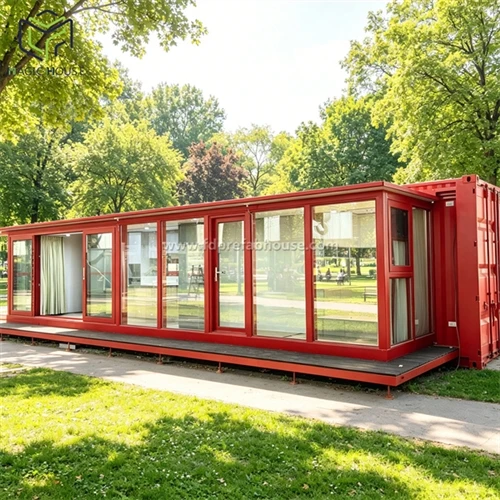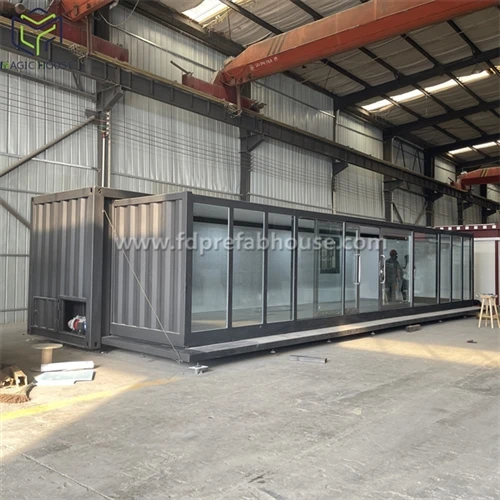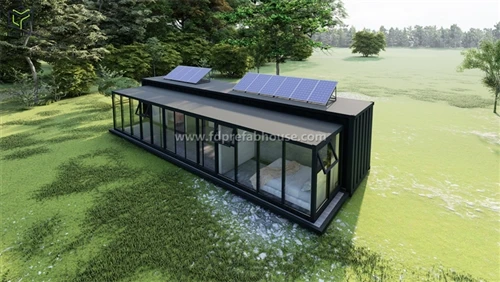
Key Concept: The entire shell of a container-based structure acts as a continuous metal conductor. According to Section 250.4 of the National Electrical Code (NEC), such metal enclosures must be reliably bonded to the electrical system's equipment grounding conductor (EGC). This is a fundamental requirement for personnel safety-it is not an "optional" feature. Standard practice involves connecting the steel shell to the distribution panel's grounding busbar using a bare copper conductor (no smaller than #6 AWG) and driving an 8-foot copper-clad steel grounding rod into the ground near the unit. The NEC generally requires a grounding resistance of ≤25 ohms; if a single rod fails to meet this threshold, a second rod must be installed.
Implications for the Client: While electrical connections-including grounding-are typically completed on-site rather than as part of the factory pre-installation, the quality of the grounding is critical to electrical safety once the unit is in use. When arranging for utility hookups on-site, clients should ensure that the contractor possesses the necessary professional qualifications. Furthermore, the grounding resistance should be measured and verified during the final inspection; simply confirming that a wire has been "connected" is insufficient. For off-grid solar and energy storage systems, these same grounding principles apply to inverters and battery cabinets and should be included in the site connection checklist.
发送反馈