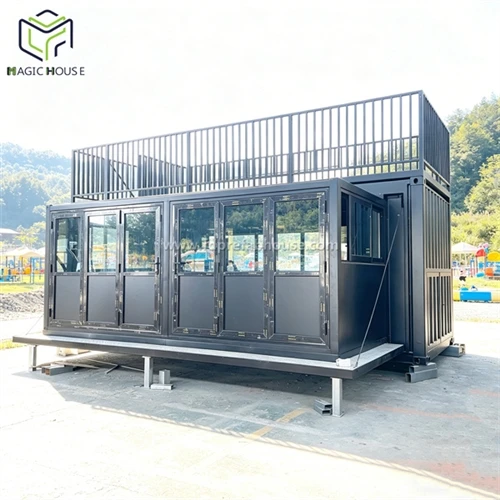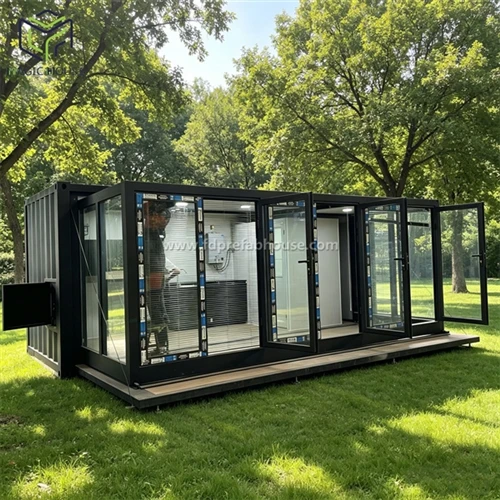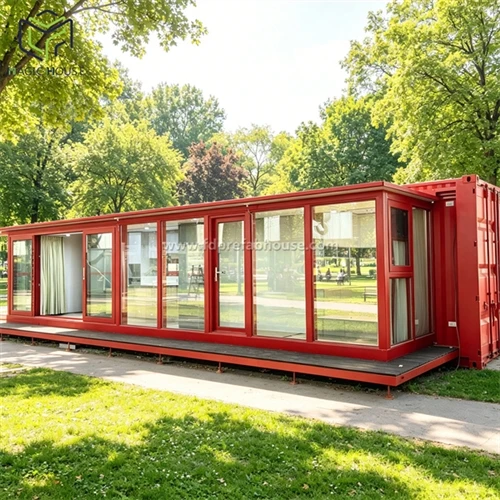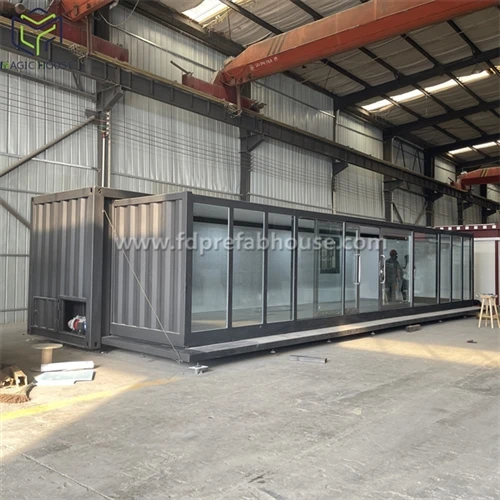
Key Concept: In expandable modular units, the horizontal joints and vertical terminations between the main module and the extendable section are highly susceptible to leaks. Traditional methods rely on on-site cutting of flashing and extensive application of sealant-approaches where waterproofing quality is heavily dependent on the installer's craftsmanship and prevailing weather conditions. With an industrialized, prefabricated approach, the factory provides custom-engineered waterproof components (flashing/seals) for every joint. Each component is labeled with an installation number and orientation, allowing for precise, "match-and-fix" assembly on-site using mechanical fasteners. In terms of materials, high-performance sealants like EPDM or silicone rubber offer superior weather resistance and better resistance to permanent compression set compared to conventional sealants, making them ideal for dynamic joints that undergo repeated expansion and retraction. Before leaving the factory, the sealing system undergoes rigorous testing-including airtightness checks (air leakage rate ≤ 5%) and simulated rain testing-to verify the reliability of the joint waterproofing.
Implications for the Client: By shifting the responsibility for joint waterproofing to the factory, the process no longer hinges on the skill of an on-site caulking specialist. However, clients should note that the installation sequence and tightening torque for these components must strictly follow the factory's specifications. Altering the orientation of the components or omitting fasteners on-site will compromise the sealing logic that was validated during the prefabrication phase.