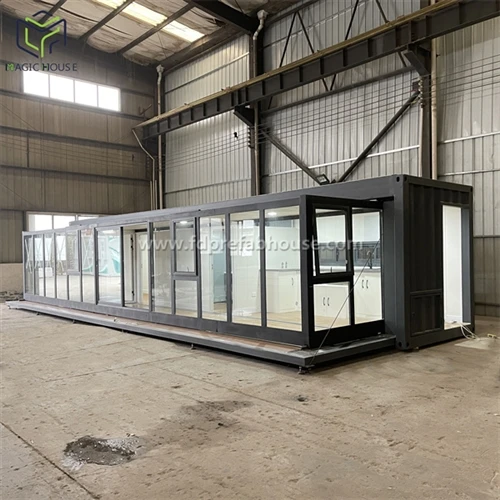
Container-based modular architecture is evolving from simple temporary structures into semi-permanent or even permanent buildings, with an ever-expanding range of applications. By 2026, the market for customized container structures is expected to exhibit three key trends:
1. **Transition from single-function to multi-functional use.** High-end container homes are increasingly integrating smart home technology and energy-saving systems. Container cafés utilize stacking to create split-level spaces and feature large glass windows to maximize natural light; container pools (particularly 40-foot models) are rapidly gaining popularity in commercial sectors such as hospitality and fitness centers; and container restrooms are widely deployed in public facilities, at construction sites, and for outdoor events.
2. **Growth of the rental model.** Due to their high flexibility, container rental services have become the preferred choice for small and medium-sized enterprises (SMEs).
3. **Standardization driven by green prefabricated building policies.** Policy initiatives are making eco-friendliness, energy efficiency, structural safety, and the efficiency of assembly and disassembly key competitive factors.
**Key Application Scenarios:**
* **Residential:** Ranging from single-unit micro-homes to multi-unit family residences and luxury villas.
* **Commercial:** Cafés, pop-up shops, brand showrooms, and office spaces.
* **Public Facilities:** Container restrooms, shower units, and changing rooms.
* **Culture & Tourism:** Unique homestays and vacation cabins.
* **Emergency Response:** Foldable container units used as emergency shelters.
The global container housing market was valued at US$68.24 billion in 2025 and is projected to reach US$128.3 billion by 2034, growing at a compound annual growth rate (CAGR) of 7.5%. North America, Europe, and the Asia-Pacific region serve as the core markets.