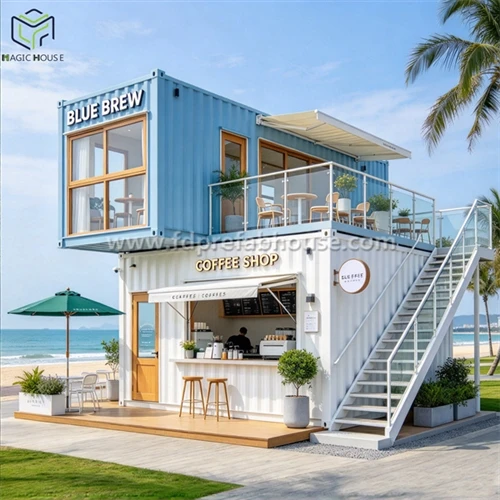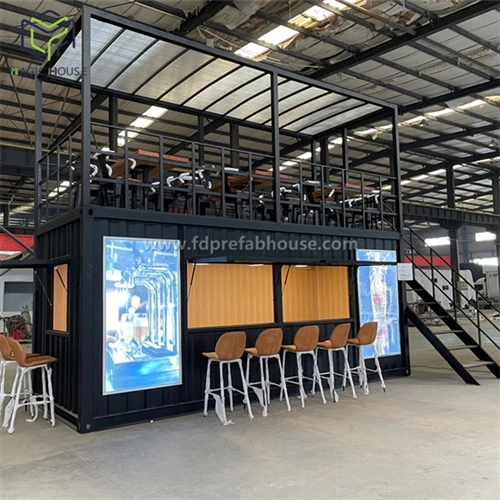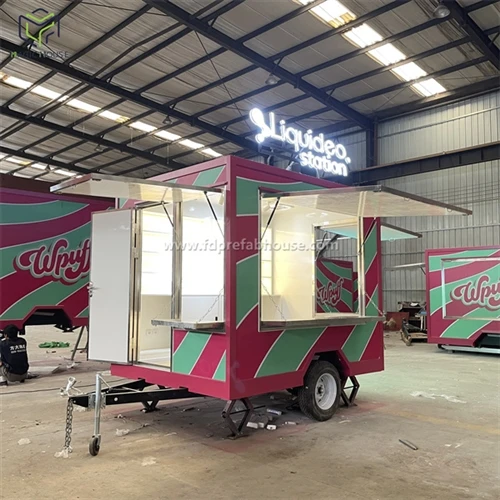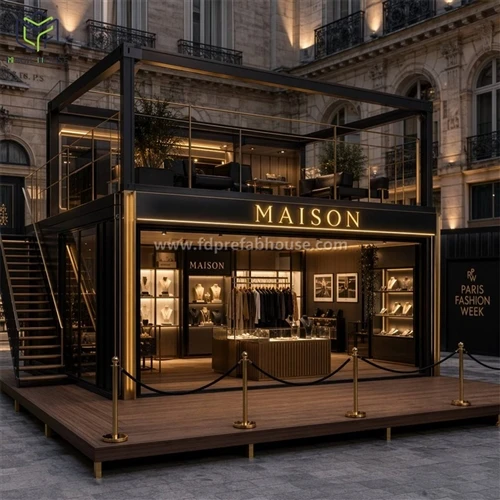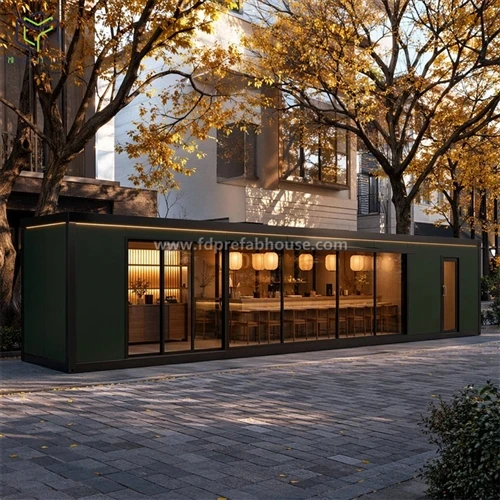
I. Core Australian Regulations: The National Construction Code (NCC) and Commercial Container Structures
Australia does not have a standalone standard specifically for "container buildings." As commercial structures, container cafes must comply with the National Construction Code (NCC).
Permanent Installations vs. Temporary Pop-ups
1) Permanent Commercial Use: Containers are classified as building structures and require a Building Permit (BA). They must adhere to the NCC regarding structural integrity, fire safety, thermal insulation, emergency exits, electrical systems, and waterproofing. Foundations, seismic resistance, and wind-load capacity must meet local wind-zone classifications; in coastal areas, additional anti-corrosion coatings are required to withstand salt-spray exposure.
2) Temporary/Short-term Operations: These do not utilize permanent concrete foundations and are subject to time-limited permits. While some building approval requirements may be waived, they must still comply with food safety regulations, public liability insurance, site setback requirements, and pedestrian access standards. They cannot occupy restricted parking zones, bus lanes, or designated accessible (disability) pathways.
II. Recommended Locations and Prohibited Zones in Australia
Preferred Locations
- University campuses, business parks, outdoor plazas at shopping centers, coastal tourist areas, and caravan parks. These locations typically feature land-use zoning that supports retail and food/beverage services, ensuring a steady flow of customers.
Prohibited Zones (Hard Constraints)
- Proximity to residential boundaries: Risks noise complaints.
- Obstruction of pedestrian pathways: Must not block foot traffic; a clear, accessible path of at least 1.5 meters must be maintained.
- Drainage: Wastewater from food and beverage operations must pass through a grease trap; direct discharge is prohibited. Wastewater management plans are a key focus during health inspections.
III. ROI Projections for Container Cafes in the Australian Market
A 20-foot prefabricated container cafe (including insulation, commercial-grade ventilation, and service windows) requires a total investment of approximately AUD 32,000–45,000 once fully equipped and installed. In contrast, the investment required for a traditional, newly constructed small cafe typically exceeds AUD 120,000. - High-performing locations: 220–350 cups sold daily, with an average transaction value of AUD 5–6 and a gross profit margin of 72%–78% on beverages; payback period: 8–12 months.
- Mid-tier locations: 100–180 cups sold daily; payback period: 14–20 months.
- Seasonal beach locations: Profitable during peak season, but with a sharp decline in revenue during the off-season; suitable for temporary, mobile setups-permanent foundation-based structures are not recommended.
IV. Key Adaptations for Exporting to Australia
Fangda Mofang (Fangda Modular) optimizes its production to meet the National Construction Code (NCC) requirements: utilizing corrosion-resistant and salt-spray-resistant steel structures; ensuring electrical wiring complies with Australian AS/NZS standards; incorporating fire-resistant insulation; providing pre-configured connections for grease traps; and installing outward-opening doors and windows to meet emergency egress requirements. Once the units arrive and the local foundation and utility connections are completed, clients can immediately submit the project for municipal inspection, significantly shortening the approval process.
Conclusion
The greatest risk for a container-based café in Australia is not the container itself, but rather land-use planning permits. Investors are advised to consult with the local municipal authority regarding land zoning and the NCC compliance checklist before placing an order for production and finalizing container specifications.