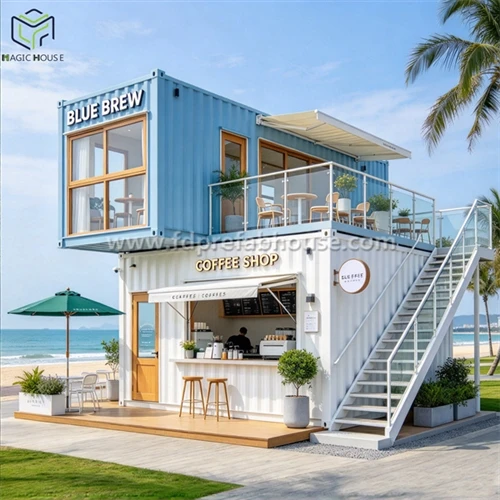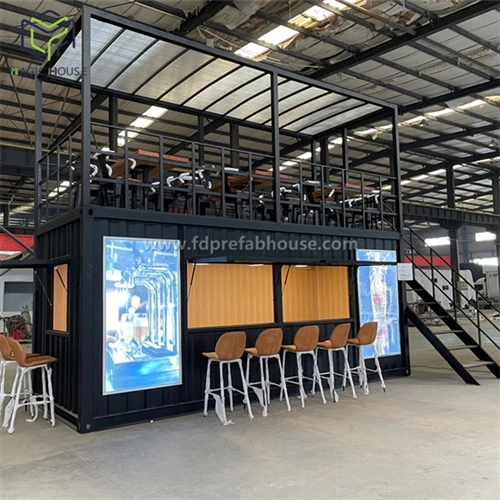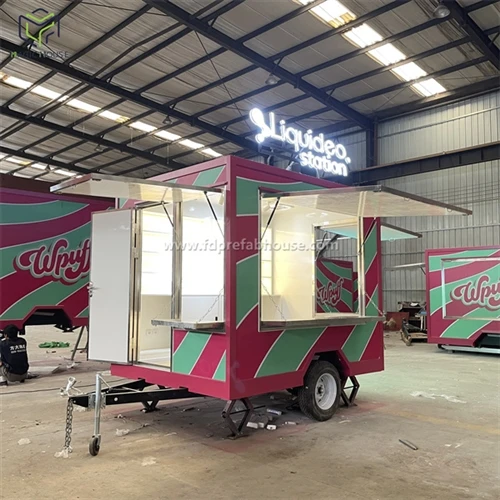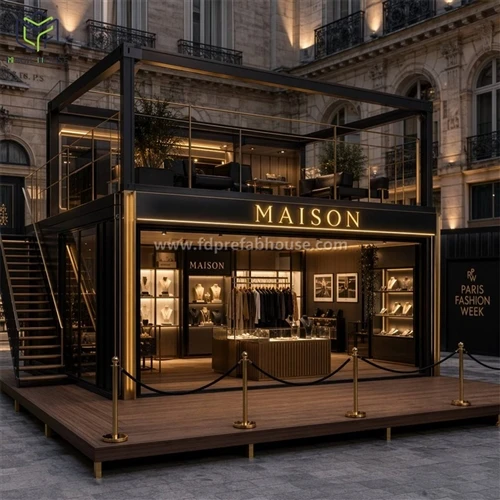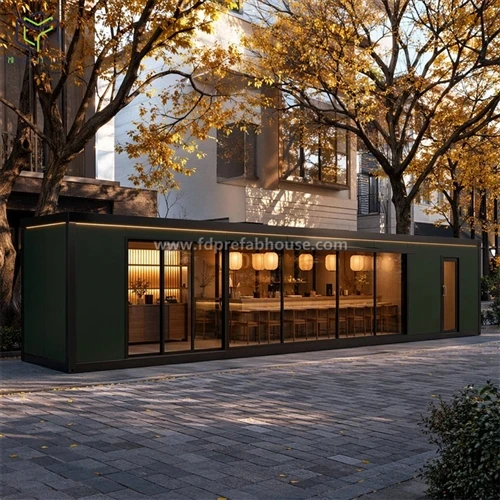
I. Fundamental Market Differences: How Regulatory Frameworks Shape Site Selection Strategies
Australia: The National Construction Code (NCC) and a Focus on Wind Resistance, Corrosion Protection, and Public Liability Insurance
Australia operates under a unified National Construction Code (NCC), which distinguishes between temporary and permanent structures. Given the prevalence of salt-laden air in coastal regions, anti-corrosion measures for steel container structures are a mandatory consideration. Land-use approvals are managed by local municipal councils, which enforce strict regulations regarding pedestrian access and wastewater disposal. This market is well-suited for long-term, stable operations, while temporary, relocatable setups are recommended for seasonal beachside locations.
The USA: Federal Baselines Meet Highly Varied Local Regulations-"Zoning" is King
While federal standards-such as FDA food safety regulations and ADA accessibility requirements-apply nationwide, land-use rules vary significantly from city to city. A key characteristic is that the **foundation type dictates the approval process**: using pier-block foundations (temporary setups) significantly lowers regulatory hurdles, whereas pouring a permanent concrete foundation classifies the structure as a fixed building. This approach is ideal for rapidly testing new markets or maintaining the flexibility to relocate.
The UK: Heavy Emphasis on Local Planning Authority (LPA) Review, with a Focus on Noise and Neighborhood Impact
The UK lacks a specific building code for container-based structures; instead, the primary consideration is the designated land-use category. Even for small-scale container units, long-term commercial food and beverage operations typically require formal planning permission. Neighborhood complaints are the leading cause of project rejection. In urban settings, incorporating outdoor seating areas is an effective strategy to boost revenue. II. Comparison of Site Selection Priorities Across Three Major Markets
1. Australia: Zoning → Wind and corrosion resistance → Wastewater and grease trap facilities → Public liability insurance
2. USA: Zoning → FDA food facility layout plans → ADA (Americans with Disabilities Act) accessibility compliance → Foundation type (permanent vs. temporary)
3. UK: LPA (Local Planning Authority) planning permission → Noise and operating hours → FSA (Food Standards Agency) registration → Outdoor seating/dining area approval
III. Cross-Market Comparison of ROI (20-foot Standard Container Café)
>
> Assumptions: All units are prefabricated container cafés from Fangda Mofang (Fangda Modular), featuring factory-installed insulation, steel structural framing, and pre-plumbed water/drainage connections. Costs exclude local foundation work, utility hookups, and permitting fees.
- USA: Lowest initial investment; minimal cost of trial-and-error due to the "temporary" operational model. Payback period for prime locations: 7–11 months. High variability between cities and states offers good risk diversification-ideal for multi-site chain testing.
- Australia: Moderate investment with a stable regulatory framework. Coastal locations require additional budget for corrosion protection. Payback period for prime locations: 8–12 months. Well-suited for long-term, stable operations.
- UK: Higher initial investment with the longest planning/approval cycle. However, higher average transaction values-bolstered by outdoor seating-can significantly boost revenue. Payback period for prime locations: 6–12 months. Highest level of uncertainty regarding regulatory approvals.
IV. Export Selection Recommendations: Matching Container Solutions to Specific Markets
- Short-term pilot operations or multi-site rotation: Recommend non-permanent foundations with independent on-board water and wastewater tanks; best suited for the US market.
- Long-term operations in scenic areas or coastal regions: Recommend units customized to Australia's NCC (National Construction Code) standards, featuring enhanced corrosion and wind resistance, designed for permanent foundations.
- Fixed urban locations in the UK: Ensure provisions for outdoor seating, flame-retardant interior finishes, and optimized emergency egress routes; prepare planning application documentation well in advance. V. Value Advantages of Fangda Mofang at the Manufacturing Stage
Many projects for overseas clients fail-not due to the quality of the shipping containers themselves, but because the **layout does not meet the target country's national standards**, leading to exorbitant on-site modification costs and hurdles in the regulatory approval process.
During the production phase, Chengdu Fangda Mofang customizes the layout, materials, electrical systems, and ventilation in accordance with the specific standards of the destination country (such as NCC, FDA, or BS). We provide detailed drawings that clients can submit to local municipal or health authorities for preliminary review. This mitigates compliance risks from the very start and shortens the timeline from placing an order to opening for business.
Conclusion
The core competitive advantage of a shipping container café lies in its **low initial capital requirement and rapid deployment**. However, this advantage is contingent upon a thorough understanding of the target country's building codes and the selection of an appropriate site. Since markets like Australia, the U.S., and the U.K. each have distinct regulatory priorities, investors should conduct a site-compliance assessment before finalizing their container solution to maximize their return on investment (ROI).