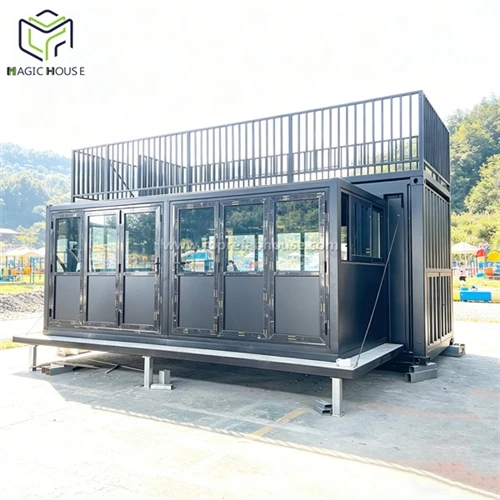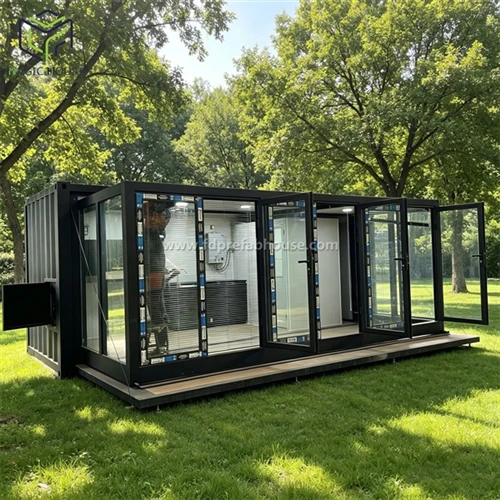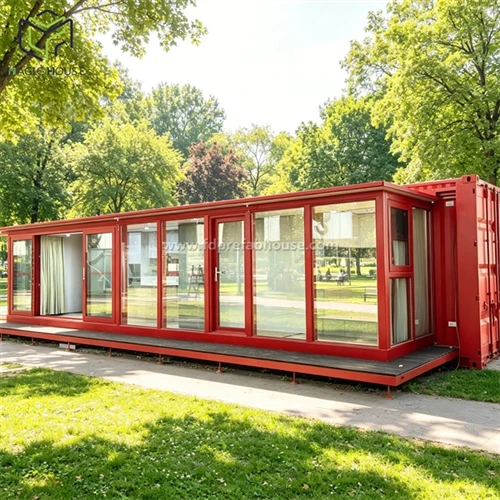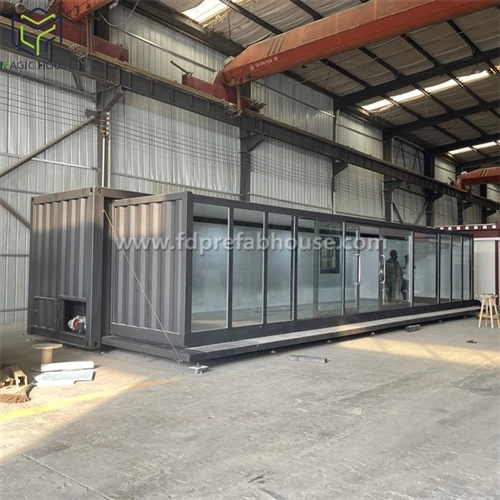
As coffee consumption continues to heat up, opening a coffee shop remains a dream for countless people. However, when the traditional entrepreneurial threshold of "USD 70,000+ investment and a two‑year payback period" discourages more and more people, a completely different business model is proving its commercial viability worldwide – the container café. Can it achieve the same profit goals with lower costs and faster speed? This article compares the two models from three dimensions: initial investment, operating cycle, and payback speed.
1. Initial investment: from a "USD 70,000 threshold" to a "USD 14,000 starting point"
Based on a small coffee shop of 30‑50 m², the initial investment for a traditional store is typically in the range of USD 43,000‑71,000, and even higher in prime locations in first‑tier cities. The cost structure is roughly as follows: rent deposit (usually three months' rent plus one month deposit) about USD 8,600‑14,300; hard decoration and design/construction about USD 11,400‑17,100; equipment (espresso machine, grinder, refrigerated counters, etc.) about USD 14,300‑21,400; first batch of supplies about USD 4,300‑7,100; plus licensing fees and a three‑month contingency fund about USD 7,100‑11,400.
In contrast, a container café of the same area can compress the initial investment to USD 21,000‑43,000, or even lower. From an equipment selection perspective, traditional stores often spend a large portion of their equipment budget on a commercial espresso machine, while container cafés follow similar core equipment logic but offer more room to simplify. For truly lightweight start‑ups, the threshold can drop below USD 14,000: data shows that an estimate of USD 21,000‑36,000 can satisfy basic business logic, and some very simple projects require only basic equipment and no complex interior finishing, allowing them to open with an investment under USD 14,000.
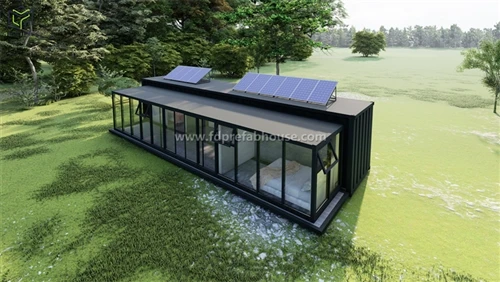
More importantly, modular construction and factory prefabrication greatly shorten the construction period for container cafés. From order confirmation to factory prefabrication and delivery, a standard container building can be installed in as little as three days – a deployment speed that traditional stores cannot match.
2. Operating efficiency: from a "long ramp‑up" to "fast profitability"
Traditional coffee shops generally face a long market cultivation period after opening. It usually takes 2‑3 months of market预热 (warming up) and customer accumulation to enter stable operation, requiring an average daily traffic of 80‑120 cups to break even. Real data from a 30 m² traditional coffee shop reveals this norm: about 85 cups per day, average ticket USD 4, monthly revenue about USD 10,200. With a gross margin of about 68% and net margin of 22%, monthly net profit is about USD 2,200, annual net profit about USD 26,800. Based on this, the payback period for the initial investment is about 18‑24 months.
If the average ticket is raised – e.g., daily revenue up to USD 1,000 (200 daily customers, USD 5 per ticket) – the net profit potential is larger, but the initial customer ramp‑up requires a long time and sustained marketing investment. Moreover, after signing a long‑term lease, if a traditional store chooses a poor location, the rent cost becomes a "sunk cost" that weighs heavily on cash flow for years.
The operating logic of a container café is completely different. Low initial investment, natural customer attraction, and flexibility give it a qualitative leap in payback speed. Take real operating data from a container café in Shaanxi Province as an example: total investment about USD 8,600 (including container, renovation, equipment), average daily sales about USD 214, gross margin 50%‑55%, monthly net profit about USD 2,100, annualized ROI exceeding 30%, and the payback period can be controlled within 6‑8 months.