Choosing the right container type
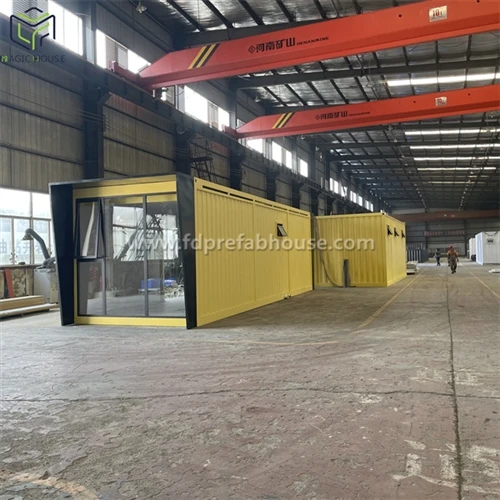
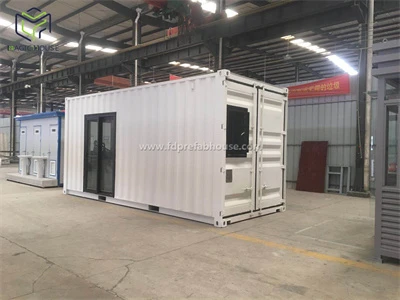
Small space / single person: 20GP converted house (~15 m² usable floor area)
Two‑person office or one‑bedroom unit: two 20GP units side‑by‑side, or one 40HQ (~30 m² usable area)
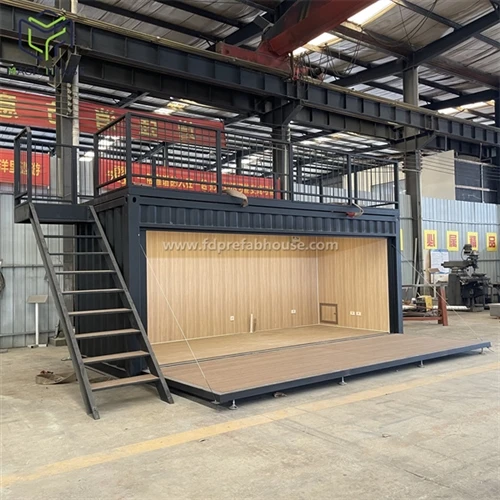
High‑end glamping suite: 40HQ with floor‑to‑ceiling windows, separate wet area, and fold‑out deck extension
Dimensions and transport precautions
The external dimensions of the converted box must not exceed road transport limits (typically ≤2.5m width, ≤2.9m height). If you need eaves, balconies or external air conditioner brackets, design them to be removable before shipping.
40ft container houses are best shipped on flat racks or flatbed trailers, not mixed with standard dry boxes.
Certifications and documents
For export, you may need fumigation certificates (if any wood flooring contains solid timber), MSDS for insulation materials and paints, etc.
Some countries require fire‑rating test reports (e.g. Australia AS 1530.1, EU EN 13501‑1).
Always check with the customer about local import policies for movable / modular buildings. Some countries classify them as "buildings", others as "goods" – duties differ greatly.
SOC (Shipper's Own Container) solution
For custom container houses, shipping as SOC is very common:
It helps avoid extra charges from shipping lines for "non‑standard cargo" or "modified boxes".
After arrival, the customer clears customs and can use the house directly – no unpacking or transloading required.
Note: Check with the shipping line beforehand – some lines impose age limits on used containers (generally not older than 15 years).