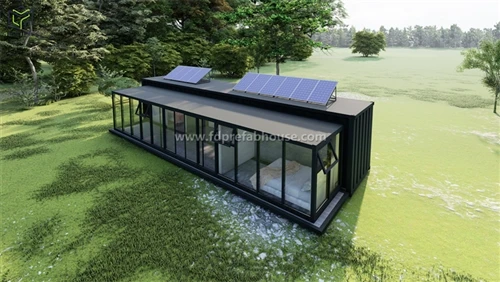
Against the backdrop of global "carbon neutrality" goals and China's "dual-carbon" strategy, governments worldwide have introduced supportive or mandatory policies, directly impacting the procurement and import/export of container buildings. Understanding and complying with these regulations can help clients effectively mitigate trade risks and even reap policy benefits.

1. Key International Green Building Regulations
EU Carbon Border Adjustment Mechanism (CBAM): While CBAM currently primarily targets high-carbon-leakage industries such as steel, aluminum, and cement, container buildings, which extensively use steel and insulation materials, may be subject to indirect regulation in the future. European clients are increasingly demanding carbon footprint reports from suppliers. Chengdu Fangda Magic House has begun using low-carbon steel and recyclable insulation materials to help clients meet EU green access requirements ahead of time.
LEED/BREEAM Certification: Many commercial projects in North America and Europe require buildings to obtain LEED (Leadership in Energy and Environmental Design) or BREEAM (Building Research Establishment Environmental Assessment Methodology) certification. Container-converted buildings have a natural advantage in "Materials and Resources" scores due to their material reuse characteristics.
EU EPD (Environmental Product Declaration): EPD is increasingly becoming a bidding threshold in European public tenders. We advise partners to understand local requirements regarding the carbon footprint of modular buildings before signing large orders.
2. China's Support Policies
* The 14th Five-Year Plan for Prefabricated Building Development: Clearly states that by 2025, prefabricated buildings should account for over 30% of new buildings. Container modular buildings, as a typical example of prefabricated construction, enjoy support in technology promotion, standard setting, and subsidies for demonstration projects.
The Circular Economy Promotion Law and Action Plan: Encourages the reuse of discarded shipping containers to reduce construction waste. Housing projects using converted second-hand shipping containers can apply for green building material certification and be recognized as circular economy demonstration enterprises.
Export Tax Rebates and Credit Insurance Support: Products conforming to the export tariff code for "new prefabricated building components" can enjoy higher export tax rebate rates. Simultaneously, the National Credit Insurance Corporation prioritizes coverage for the export of green modular buildings.
Value to overseas clients: Choosing and understanding Chinese suppliers (such as Chengdu Fangda Mofang) who comply with the above policies means that your project is more secure in terms of material sourcing, production energy consumption and traceability, and is also more likely to pass import inspections and green certifications in your country.