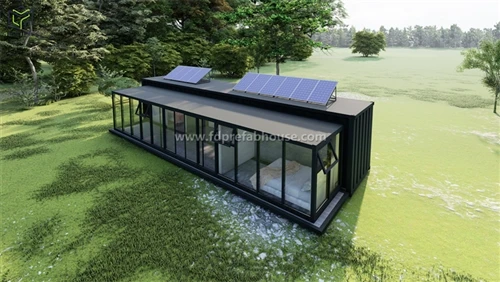
In recent years, with the global emphasis on sustainable construction, rapid deployment, and cost-effectiveness, the container housing and mobile building market has shown strong growth momentum. According to the latest industry research report:
Global Container Housing Market: The market size reached US$65.13 billion in 2025, and is expected to grow to US$128.3 billion by 2034, driven by strong demand in areas such as tourism accommodation, commercial space, emergency housing, and public facilities, maintaining a CAGR of over 7%.
Global Mobile Housing Market (including trailer houses, prefabricated modular houses, etc.): The market size was approximately US$1.625 billion in 2025, and is expected to expand steadily over the next decade at a CAGR of 7.5%.
Regional Distribution: North America, Europe, and the Asia-Pacific region are the three core markets:
North America: Driven by post-disaster reconstruction, construction labor shortages, and the demand for low-cost housing, container-converted houses and mobile homes have extremely high acceptance in the fields of homestays, construction site dormitories, and affordable housing.
Europe: The strong pursuit of carbon neutrality and a circular economy has made container architecture a popular choice for commercial and public projects, such as pop-up shops, schools, and cafes.
Asia-Pacific: Represented by China, Australia, and Japan, tourism and infrastructure investment have driven explosive growth in container holiday homes, container swimming pools, and portable toilets.
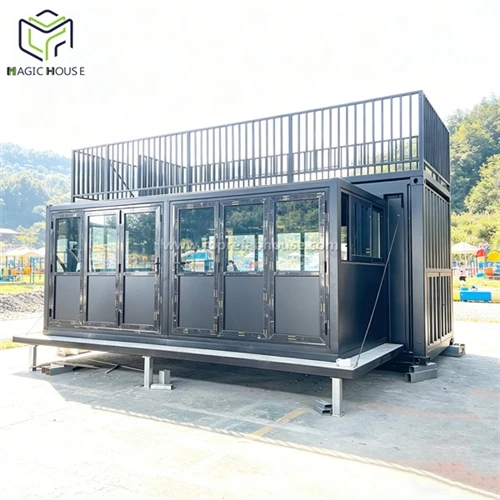
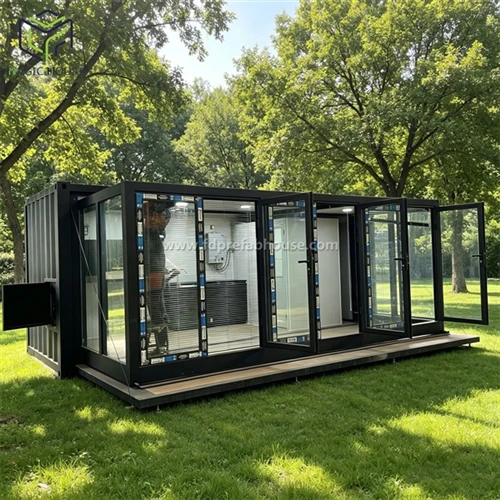
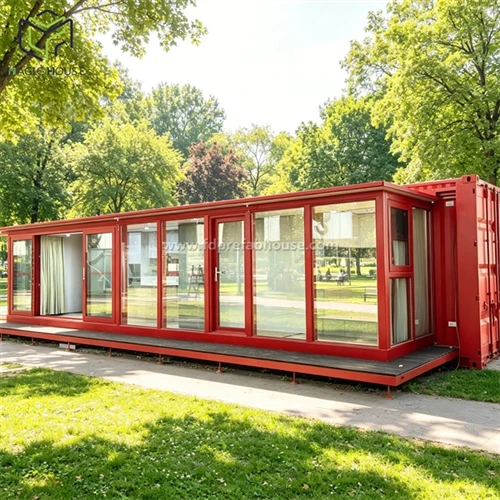
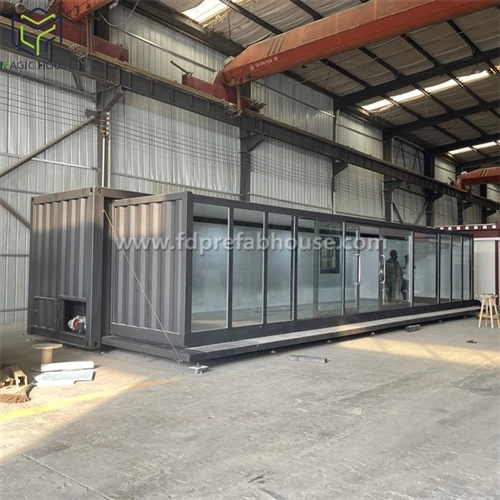
Chengdu Fangda Magic House, with its complete product line (container homes, cafes, toilets, swimming pools, etc.) and mature export experience, is actively tapping into this global opportunity, providing customers with cost-effective modular solutions.