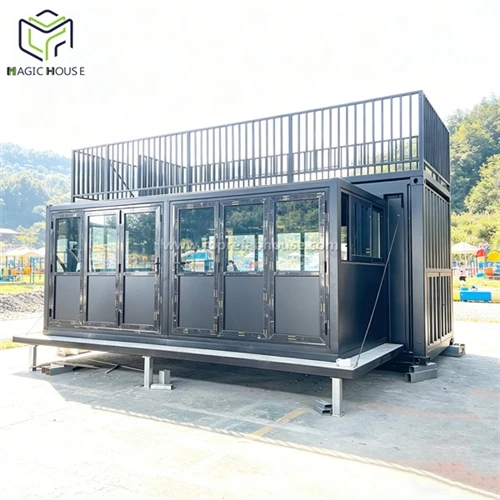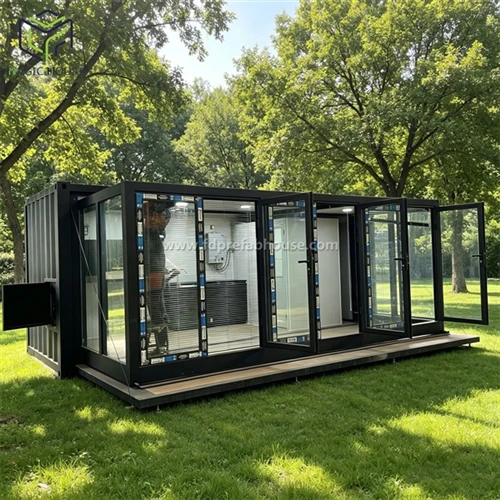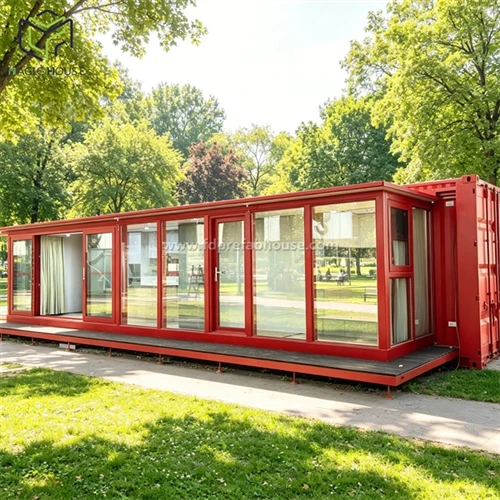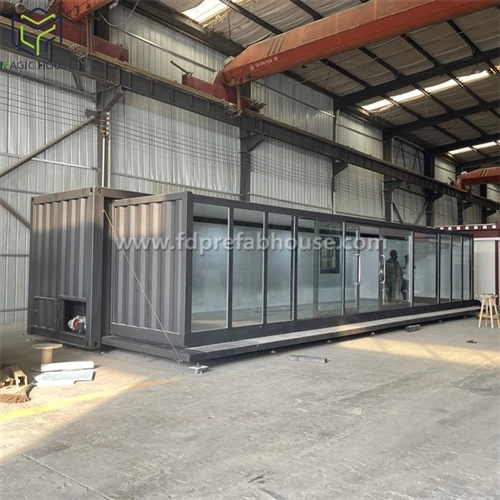
As container pools become increasingly popular, "what lining material to choose" has become a key concern for customers before placing an order. The pool lining directly determines whether it will leak, how easy it is to clean, and how many years it will last. The main options currently on the market are fiberglass (GRP) liners, vinyl liners (PVC), and concrete. This article carefully compares the pros and cons of these three solutions, focusing on fiberglass lining and analyzing in depth why it is more durable and more worthwhile than traditional pool liners.
| Aspect | Fiberglass‑lined container pool | Concrete pool | Vinyl liner (PVC) pool |
|---|---|---|---|
| Surface property | Non‑porous smooth gel coat | Micro‑porous surface, algae‑prone | Smooth but fragile |
| Service life | 25–30+ years | 10–15 years (including repair periods) | 5–8 years, max 10 |
| Chemical resistance | Excellent | Good (but pores absorb chemicals, promote algae) | Fair (chemicals accelerate UV degradation) |
| Ground movement adaptability | High flexibility, resists cracking | Prone to cracking and deformation | Low toughness |
| Installation time | Factory prefab; 2–3 days on site | 2–3 months | 3–4 weeks |
| Maintenance cost | Low (no need to recoat) | High (crack repair, repainting, algae control) | Medium‑high (re‑lining, seam leak repair) |
| Aesthetic flexibility | Custom colors, fits any environment | Very flexible (tiles, mosaics) | Limited to printed patterns |
| Portability | Removable and reusable | Fixed, not movable | Fixed, not movable |