Harmonization of Australian and New Zealand Standards (2026) – What It Means for Buyers
In February 2026, Standards NZ and Standards Australia signed an agreement on new standards to further harmonize requirements for building materials, structural design, and construction. This provides clearer regulatory guidance for container-based structures entering the Oceania market.
For buyers, this means fewer regulatory gray areas. For manufacturers, it implies higher entry thresholds-and Fangda Mofang is fully prepared for this.
Key Compliance Requirements in Australia
In Australia, container cafés are classified as Class 6 buildings (shops, cafés, restaurants) under the National Construction Code (NCC) and must meet NCC requirements regarding safety, energy efficiency, accessibility, and structural integrity. Most projects require a municipal Development Application (DA) and/or a building permit, particularly for commercial operations exceeding 30 days.
Key Technical Requirements:
Electrical Systems: Must comply with AS/NZS 3000 (SAA certification).
Bushfire Protection (BAL): In high-risk bushfire zones, wall and roof materials must pass AS 1530.3 fire-resistance tests; some areas require non-combustible materials meeting the BAL-40 rating.
Municipal Approvals: Requirements vary by state and municipality, but all commercial container cafés require some form of development application.
Market Opportunities in Oceania and Fangda Mofang's Positioning
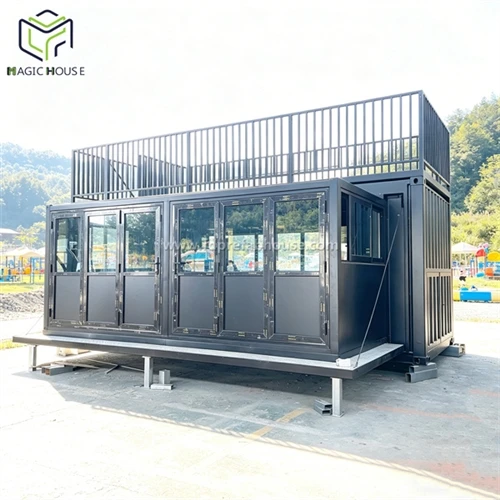
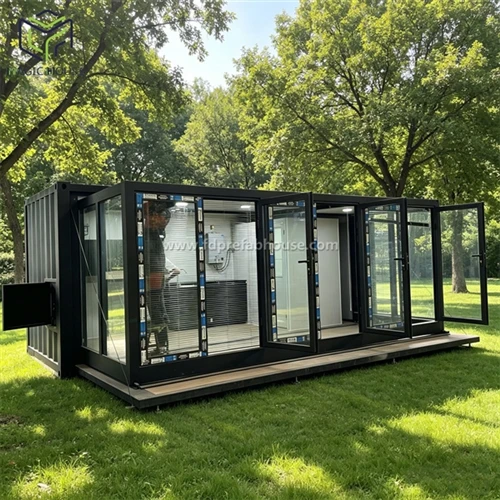
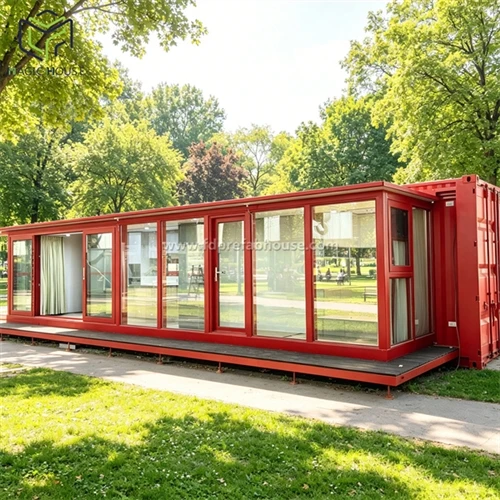
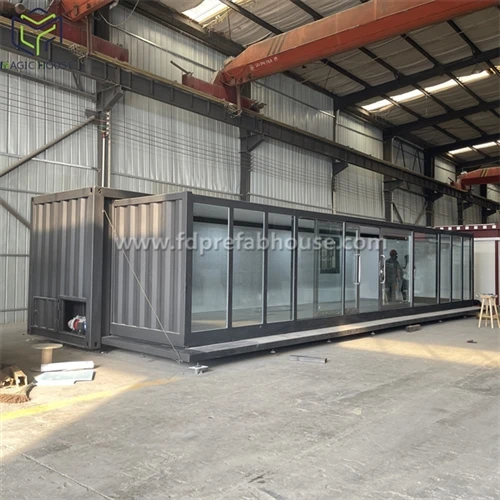
There are already successful examples of container cafés in Australia. The "High Cube Café" in Mudgee, New South Wales, demonstrates market acceptance. From Parramatta to Hobart, container cafés are operating across various Australian cities, serving functions ranging from breakfast shops to tourist information centers.
Fangda Mofang products have already entered the New Zealand market. Our container cafes are designed with regulatory compliance in mind from the start:
Electrical components compliant with AS/NZS 3000 standards are available upon request.
Fire-resistant material options are offered to meet BAL (Bushfire Attack Level) requirements.
Structural documentation is provided to support municipal approval processes.
For clients in Oceania, we recommend:
- 20-foot standard containers for small coffee windows and "grab-and-go" models.
- 40-foot high-cube containers for full-service cafes featuring seating areas and expanded menus.