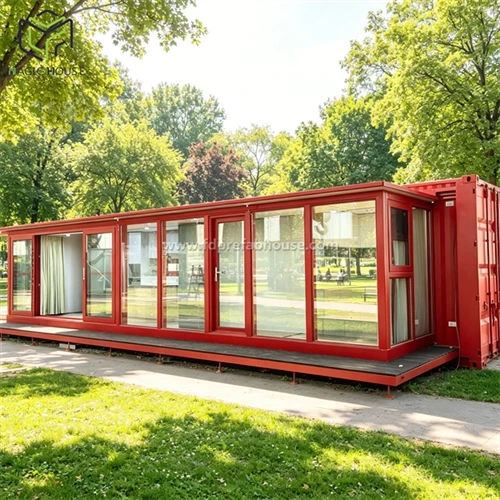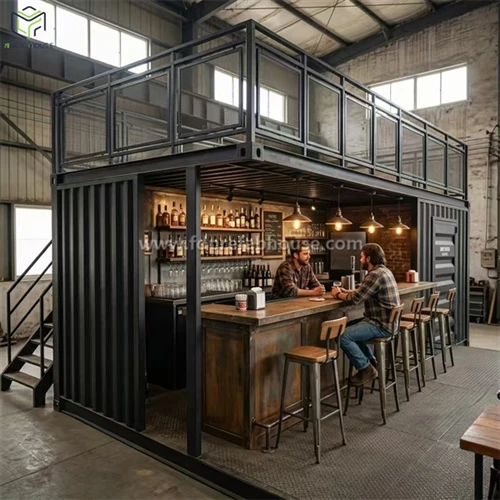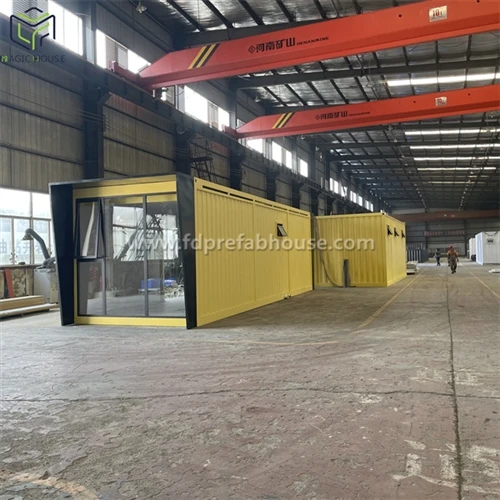
Faced with a wide variety of container house products on the market, customers often do not know how to choose. The following practical buying advice is presented from three dimensions: material, size, and configuration.
1. Choice of steel material
Ordinary steel is relatively low‑cost but has limited corrosion resistance and strength; it is prone to rust and deformation in humid environments or with long‑term use. Weathering steel (Corten steel), which contains trace elements such as phosphorus, copper, chromium, and nickel, forms a dense rust layer in the atmosphere and offers excellent atmospheric corrosion resistance and higher strength, but it costs 20‑30% more than ordinary steel. Stainless steel has excellent corrosion resistance and can adapt to various harsh environments, but it is more expensive and is usually used for high‑end commercial projects.
2. Choice of wall insulation material
The wall material directly affects thermal insulation, soundproofing, and fire performance. Polystyrene (EPS) colour‑coated steel panels are cheap but have poor fire resistance; rock wool colour‑coated steel panels offer good fire protection, insulation, and soundproofing, making them a safer and more environmentally friendly option; polyurethane (PUR/PIR) panels have outstanding thermal insulation but are relatively more expensive. Glass wool panels have excellent insulation and sound absorption, are lightweight, and have good chemical stability; they are often used in residential container houses with high insulation and acoustic requirements. Studies show that using 15 cm thick rock wool as insulation can maintain indoor temperatures at about 19.6°C in winter, essentially achieving comfortable heating levels.
3. Size selection
The 20‑foot container is the most common standard size, with external dimensions of approximately 6.058 m × 2.438 m × 2.591 m and an internal usable area of about 13 m², suitable for single occupancy or small offices. The 40‑foot container measures about 12.192 m × 2.438 m × 2.591 m externally, with an internal area of about 26 m², suitable for multi‑person dormitories or medium‑sized commercial spaces. The 40‑foot high‑cube container increases height to 2.896 m, ideal for projects requiring extra ceiling height. Besides standard sizes, non‑standard dimensions can also be customised according to specific needs.
When purchasing, also note: the door area of the container house should be made of high‑strength material to prevent deformation; the floor splicing area should reserve space for assembly and disassembly blocks; both interior and exterior can be finished with integrated wall panels or metal engraved decorative panels. It is advisable to choose qualified, certified manufacturers rather than sacrificing quality and safety for lower prices.