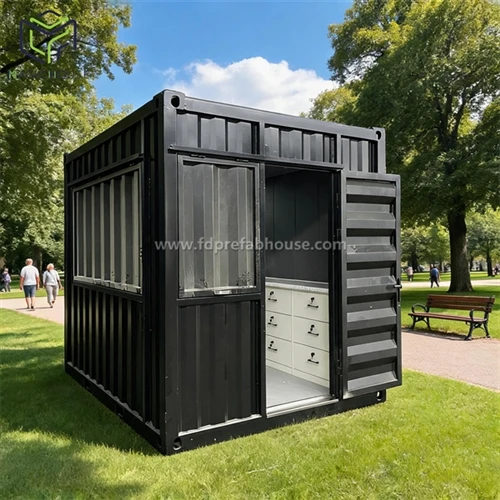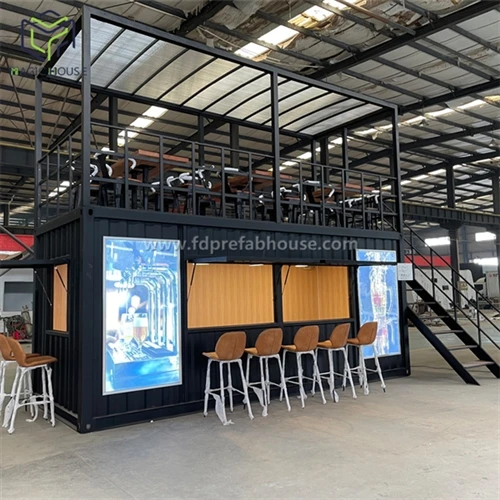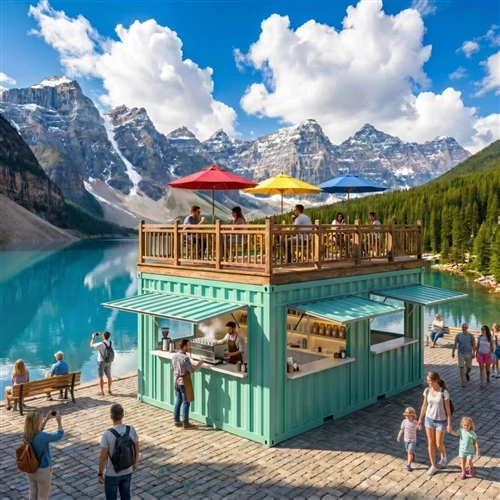
From the streets of Austin to the laneways of Melbourne, shipping container coffee shops have emerged as one of the most disruptive trends in the global café industry. What started as a novelty has become a legitimate business model-one that offers entrepreneurs a path into the coffee market without the crushing financial burden of traditional brick-and-mortar leases and buildouts.
Why Container Coffee Shops Are Taking Over
The appeal of container coffee shops is simple: cost, speed, and flexibility.
Traditional coffee shops require heavy upfront investment-deposits, rent, renovations, utilities, and long-term leases. A container eliminates most of these expenses. You can buy a used container for a few thousand dollars, make modifications, and open your doors. Even after full renovations, the total cost is usually less than one year of rent in a downtown building.
But it's not just about saving money. The container model transforms the business from "high-risk" to "agile". If a location isn't working, you hire a crane and move-no broken lease, no sunk cost. A traditional shop takes 6–9 months from permits to opening; a pre-fabricated container shop can be delivered and operational in under a week.
Customers love them too. A well-designed container café is an instant landmark and an Instagram magnet that generates its own buzz. It's modern, fresh, and undeniably unique.
Global Cost Overview: What You Can Expect to Pay
Costs vary significantly by region, container size, level of customization, and local permitting requirements. Here's a market-by-market breakdown:

United States
In the U.S., launching a container café typically ranges from $20,000 to $50,000. Entry-level pop-up setups can launch for under $10,000.
A 20ft custom container with full commercial fit-out generally runs around $25,000–$45,000-compared to $80,000+** for a traditional build of comparable size. More elaborate builds with full kitchens, patios, and multi-container configurations can reach **$50,000–$200,000.
Real-world example: DripBox Coffee in Austin, Texas, opened inside a 20-foot custom container with a walk-up window and solar panels for about $35,000**. The first location generated **$280,000 in annual revenue and broke even in just 8 months. The founders expanded to three locations in two years.
Container shell costs in the U.S.:
20ft used container (wind & watertight): ~$2,149 to purchase, or rent for ~$119 per 4 weeks
40ft used container: ~$2,750; new one-trip containers range from $5,450–$6,000
40ft rental: $140–$199 per month

Canada
In Canada, traditional restaurant startup costs can reach CAD 300,000, while shipping container cafés typically range from CAD 50,000 to CAD 150,000-requiring fewer modifications and saving on materials, labor, and permits.
Container shell prices:
20ft used: CAD 3,500–5,500 + delivery
20ft new (one-trip): CAD 5,500–7,500 + delivery
United Kingdom
In the UK, container conversion costs are typically far cheaper than conventional construction, with lower labour costs, fewer materials, and faster turnarounds.
Container shell prices:
Used 20ft container: £2,000–3,500
New 20ft container: £5,000–8,000
Used 40ft container: £1,500–2,000
New 40ft container: £4,000–5,000
A 20ft container is ideal for small cafés and takeaway setups, while a 40ft container provides more space for a kitchen, seating, and storage.

Australia
Australia's café culture is thriving, but rising rents and lengthy build times make traditional setups increasingly challenging. Container cafés offer a modern alternative with 30–50% lower startup costs and 20% profit margins.
Fully fitted café containers in Australia generally start around $45,000–$90,000 AUD, with higher-spec builds (including equipment and cladding) exceeding $120,000 AUD.

Europe
In Europe, container coffee shops are gaining traction across the continent. A 15 sq m container coffee shop offers lower initial investment and operational costs compared to larger 30 sq m units, along with rapid implementation and the ability to relocate.
Investment expectations vary widely by market. In smaller Czech towns, a container café might require CZK 2–3 million, while high-potential sites in premium locations like Dubai can cost up to CZK 10 million.

New Zealand
New Zealand has embraced container cafés, with modified containers already serving as retail units, cafés, bars, and pop-up activations across the country. Rent for container café sites can be as low as NZ$1,200 + GST per month.