The coffee retail market in the United States and Canada continues to evolve, with operators exploring smaller, more flexible formats alongside traditional brick-and-mortar cafés. Rising commercial rents, longer construction timelines and the need to test new locations have encouraged some businesses to consider modular and container-based coffee shops.
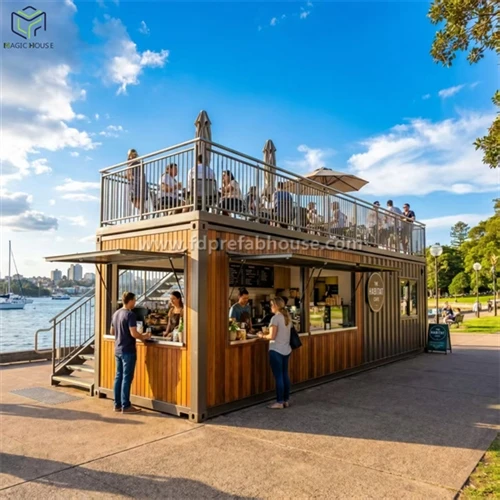
Unlike conventional commercial buildings, a modular coffee shop can be designed and manufactured around a specific operating layout before it reaches the site. The internal arrangement may include a coffee preparation area, service counter, storage space, electrical systems, plumbing connections and customer-facing openings.
For small and independent coffee businesses, the ability to start with a compact footprint can be particularly useful. A container coffee shop can be used in commercial parking areas, tourist destinations, outdoor markets, campuses, transport hubs and other locations where a full-scale café may not be necessary.
Another factor is project mobility. While not every container café is designed to be frequently relocated, modular structures can provide greater flexibility for businesses that may need to change locations or expand into new areas. This can be useful for operators testing market demand before committing to a permanent commercial building.
However, modular coffee shops also require careful planning before production begins. Local requirements for electrical systems, plumbing, ventilation, food service equipment and commercial permits can vary between regions. As a result, the design stage should take the intended market and operating requirements into consideration.
As small-format retail and flexible commercial spaces continue to develop, container-based coffee shops are becoming one of several alternatives being considered by entrepreneurs, property developers and event operators across North America.