As "backyard living" becomes a central focus for American households, a swimming pool-capable of facilitating daily fitness routines while also serving as a hub for social gatherings and family relaxation-is no longer an exclusive luxury reserved solely for a privileged few. However, the months-long construction timelines, exorbitant maintenance costs, and persistent winterization challenges associated with traditional pools often deter many potential buyers. Today, an integrated luxury pool-ingeniously repurposed from a standard 40-foot shipping container-is rapidly penetrating the U.S. residential upgrade market, positioning itself as the ultimate "one-stop solution for luxury courtyards."

Why a 40-Foot Container?
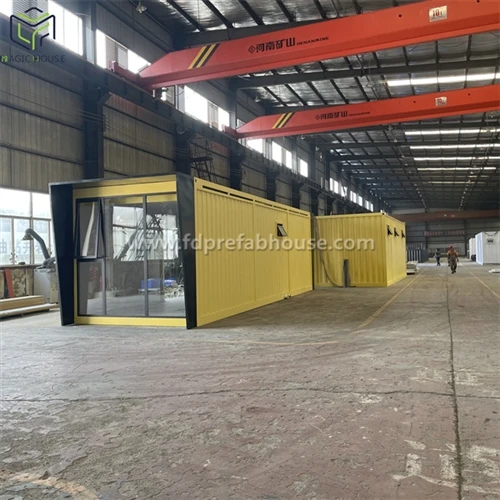
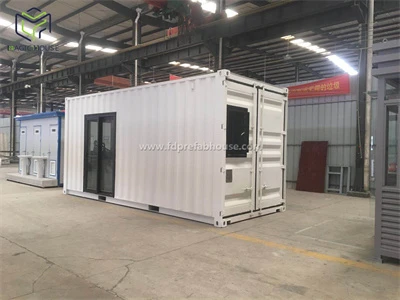
The 40-foot shipping container features standardized modular dimensions (approximately 12 meters long and 2.4 meters wide); moreover, its corrugated steel structure inherently possesses exceptional compressive strength, weather resistance, and ease of transport. Transforming such a container into a swimming pool effectively means packaging the entire "pool + equipment room + spa zone" into a single, unified steel shell. All plumbing, electrical wiring, filtration systems, and aesthetic landscaping elements are pre-installed at the factory; on-site, the unit simply requires hoisting into place and connecting to existing water and power lines to become fully operational. This "turnkey" model completely upends the fragmented, disjointed experience typically associated with traditional pool construction projects, thereby transforming the concept of a "one-stop luxury courtyard" into tangible reality.
|
|
|


1. Salt-Oxygen Sanitization: Say Goodbye to Red Eyes and "Chlorine Odor"
The U.S. swimming pool market is currently undergoing a "de-chlorination" wave. An increasing number of households are opting for salt chlorinators, which generate free chlorine through the electrolysis of saltwater. This process results in softer, gentler water that is non-irritating to the eyes, while virtually eliminating the pungent chemical odor typically associated with traditional chlorinated pools. This product comes standard with two salt-oxygen generators-configured with built-in redundancy-ensuring ample sanitization capacity at all times. For families with children or members with sensitive skin, this represents not only a significant health upgrade but also a substantial reduction in the burden of routine pool maintenance.
2. Massage Spa: Bringing the Spa Experience Home
After a swim, simply ease into the integrated massage spa zone. Multiple hydro-jets deliver targeted pulses to the shoulders, back, and legs, relieving muscle tension in just fifteen minutes. In the U.S., where "staycation" culture is prevalent, a pool equipped with a built-in massage system instantly transforms a backyard into a five-star resort-caliber wellness retreat, significantly boosting both property value and overall living satisfaction.

3. 50mm Acrylic Viewing Panel: Balancing Safety with Aesthetics
Traditional underwater pool windows typically utilize tempered glass; however, if glass shatters, it produces sharp shards that pose a significant safety hazard. This product employs a 50mm-thick, aviation-grade acrylic (PMMA) panel. Boasting a light transmittance exceeding 92%, it offers impact resistance more than 15 times greater than that of tempered glass-meaning that even if a pet accidentally bumps into it, it will not shatter into sharp, jagged fragments. This design not only offers unparalleled visual appeal-allowing for a clear view of pool activity directly from the equipment room-but also fulfills the implicit expectations of American households regarding outdoor amenities: they must be "sturdy, safe, and accident-free."
4. Full-System Heat Tracing: Eliminating Winter Freezing Issues
In the northern United States, winter temperatures can plummet below -20°C. Traditional pools require weeks of "winterization"-a process involving draining pipes, adding antifreeze, and installing safety covers. A single operational error can result in cracked pipes, leading to repair costs running into the thousands of dollars. This product features self-regulating heat tracing cables embedded within all water inlet and outlet lines. Combined with thermal insulation, this system maintains the water temperature within the pipes above freezing, allowing for normal circulation and filtration throughout the winter-and, when paired with a heat pump, enabling year-round swimming enjoyment. For buyers in cold-climate regions-such as Minnesota, Wisconsin, and Upstate New York-this configuration represents a transformative leap: from a system that is merely "barely functional" to one that is truly "worry-free."