In April 2025, the U.S. Green Building Council (USGBC) officially released LEED v5, the most disruptive update to the system in nearly a decade. From 1 July 2026, LEED v5 will be the only version available for newly registered commercial building projects. The new standard is oriented around "decarbonisation, human health and well‑being, and ecological resilience", and for the first time introduces mandatory requirements for embodied carbon in buildings.
Of particular note, the State of California will mandate a framework for measuring embodied carbon in building materials by 31 December 2026, with a target of a 40% net reduction in building material emissions by 2035. CALGreen already requires non‑residential projects to account for embodied carbon. LEED v5 requires Platinum‑certified projects to achieve at least 80 points and includes several mandatory performance credits.
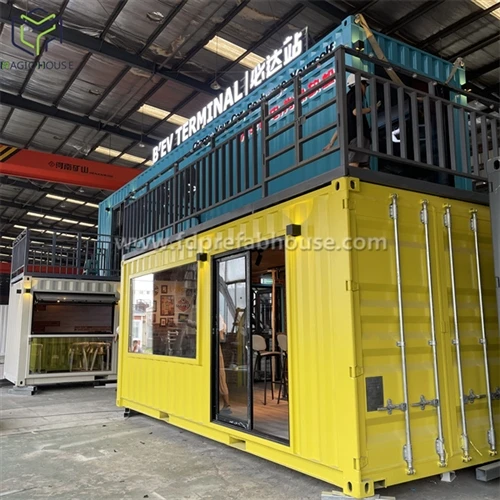
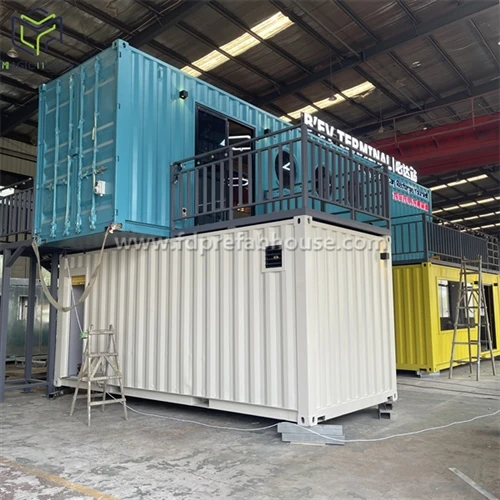
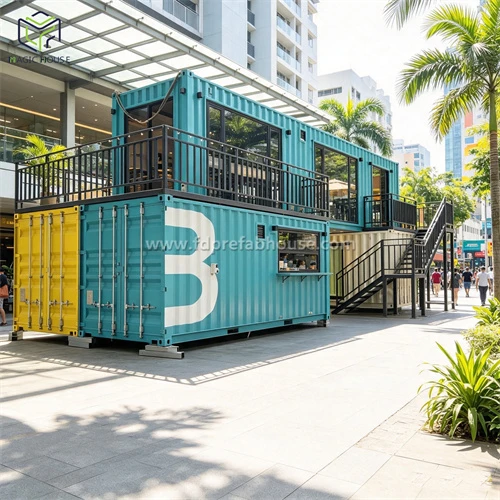
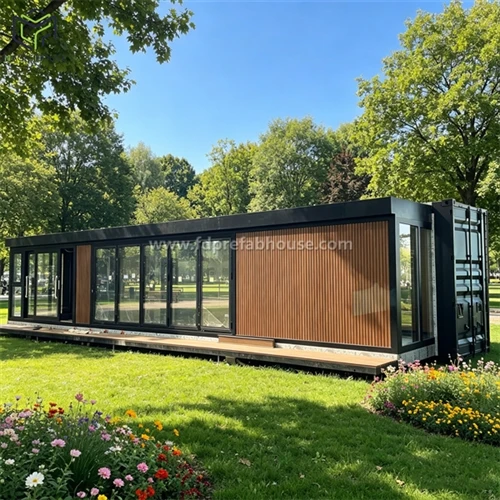
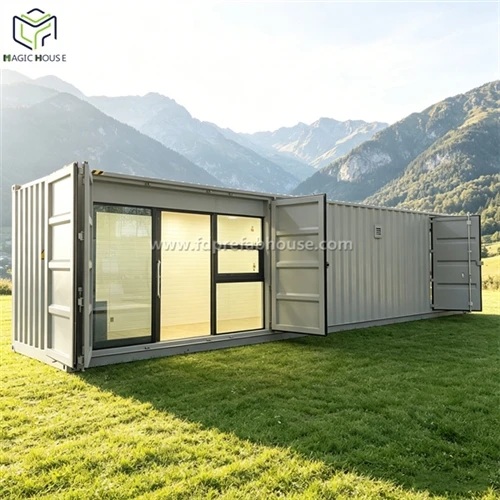
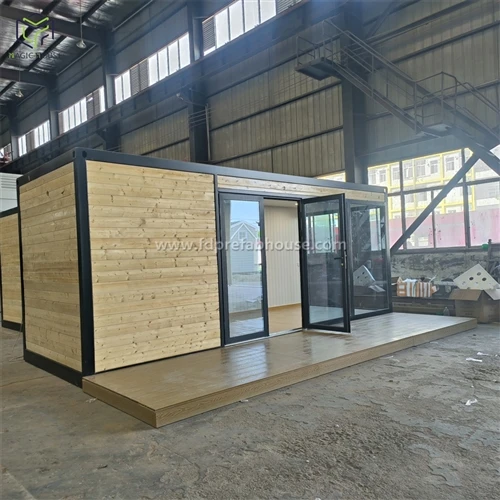
Significance for container building exports: LEED v5 and California's AB 2446 mean that container‑based products exported to North America must provide a complete data chain supporting building carbon accounting – including carbon emission data from steel production, traceable raw material information, and Environmental Product Declaration (EPD) certification. Container products with EPD certification will enjoy a significant procurement priority in the North American and European markets.