1. The Opportunity Window in ASEAN's Construction Sector
The ASEAN construction industry is experiencing a golden period of infrastructure expansion, urban renewal, and green/digital transformation. The ASEAN region's urbanisation rate has exceeded 50%. Urban renewal and high‑end commercial real estate development are driving explosive demand for prefabricated components and energy‑efficient building materials. As of July 2025, Chinese enterprises had completed USD 480 billion worth of engineering contracts in ASEAN, making ASEAN the largest overseas market for Chinese construction companies. Chinese enterprises hold more than a 60% share of the large‑scale engineering contracting market in ASEAN.
2. Characteristics of Individual Country Markets
Demand for construction in Southeast Asia shows clear tiered differentiation based on each country's level of economic development:
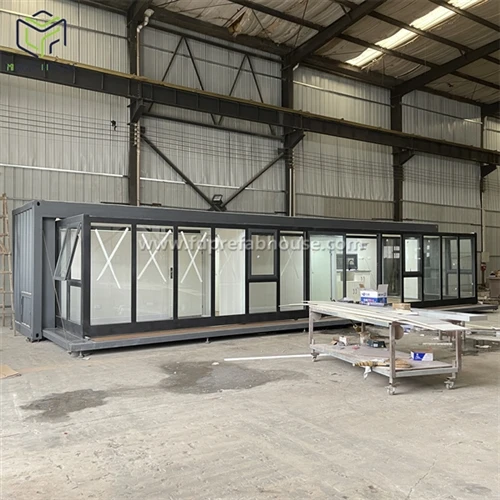
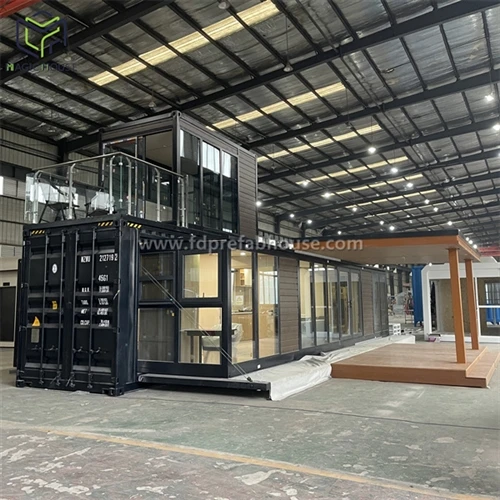
Indonesia: The construction of the new capital, Nusantara, is driving large‑scale demand for prefabricated buildings for infrastructure support facilities and commercial projects. As the largest economy in Southeast Asia, Indonesia has seen strong demand for rapidly erected, recyclable prefabricated buildings driven by infrastructure development and tourism‑related industries. As early as early 2026, 20 sets of HLKPX‑01 export‑oriented quick‑assembly containers were exported to Indonesia.
Malaysia: A USD 140 billion infrastructure plan is continuously increasing demand for high‑quality, reusable temporary buildings. Twenty quick‑assembly containers were delivered to Malaysia in March 2026.
Thailand: Major projects such as the Eastern Economic Corridor (EEC) are driving explosive demand for prefabricated components and other infrastructure building materials.
Vietnam: Driven by foreign investment, a wave of factory construction is taking place. Electronics in the north and home appliances in the south are generating industrial building demand. In Indonesia, Vietnam and others, high‑end products such as prefabricated components and energy‑efficient glass account for more than 65% of imports.
Philippines: Construction demand is evolving from basic materials toward high‑performance, eco‑friendly, and prefabricated products. The country's geography, prone to typhoons and earthquakes, creates specific demand for earthquake‑ and wind‑resistant materials and corresponding structural technologies.
Singapore: The container house market size was about USD 10.5 billion in 2024 and is expected to reach USD 15.8 billion by 2033, with a CAGR of 5.5%.
3. Climate Adaptation Requirements
Southeast Asia has high temperatures and heavy rainfall throughout the year, with average annual temperatures above 27°C, strong UV radiation, high humidity, and, in coastal areas, salt spray corrosion. Therefore, the local market imposes stringent requirements on container building materials:
Waterproofing and moisture resistance: Laos receives annual precipitation exceeding 1,800 mm, with a rainy season lasting six months, demanding excellent building waterproofing and ventilation. The combination of Al‑Zn coated steel sheets and polyurethane sandwich panels is becoming increasingly common, with wall thermal conductivity as low as 0.022 W/(m·K), saving more than 40% energy compared to traditional materials.
Rust resistance and UV resistance: Ordinary steel materials have a short service life in humid, high‑sunlight conditions. This drives local buyers to prefer weather‑resistant outer films such as PVDF fluoro‑carbon coatings, which can last 20‑25 years. Their hydrophobic surface design enables self‑cleaning and reduces maintenance.
Anti‑corrosion and anti‑rust treatment: In Indonesia's tropical rainforest climate, containers require specialised anti‑corrosion, anti‑rust, structural waterproofing, and ventilation/insulation upgrades.
4. Policy Dividends and Market Opportunities
The 2025 Guilin Initiative identified several areas for cooperation between China and ASEAN in housing and urban‑rural development, promoting digital empowerment and the integrated development of green construction. ASEAN countries simultaneously incorporate green buildings into their national plans. Indonesia has relaxed access for foreign engineering contractors, Malaysia has simplified the construction licensing process, and Cambodia offers tax holidays of up to nine years for foreign construction enterprises. These policy dividends create favourable market conditions for Chinese container building exporters.