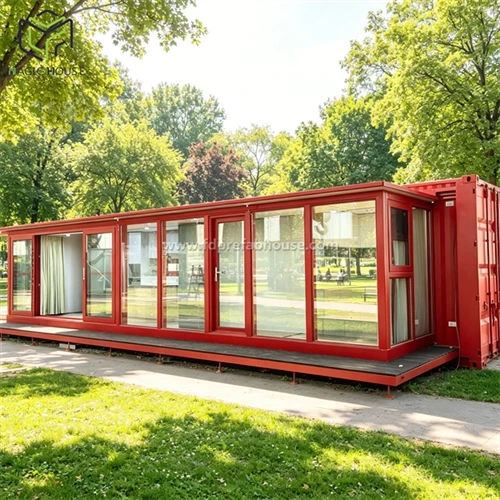
Construction projects are facing growing pressure to reduce delivery times while dealing with labor shortages, rising costs and increasingly complex site conditions. Against this background, modular buildings are attracting greater attention as an alternative to conventional on-site construction. Recent industry research indicates that factory-based modular construction can shorten project timelines by allowing building production and site preparation to take place at the same time.
One of the main advantages of modular construction is the ability to move a large portion of the building process into a controlled factory environment. Structural components, wall systems, electrical installations and interior finishes can be prepared before the modules arrive at the construction site. While foundations and other site work are underway, modules can be manufactured simultaneously, reducing the amount of work that needs to be completed sequentially. Depending on the project, modular approaches can potentially reduce construction schedules by around 20% to 50%.
This approach is particularly relevant in markets where skilled labor is limited or construction schedules are under pressure. Australia, for example, is currently experiencing labor shortages and longer construction periods, with housing projects facing increasing difficulties in meeting delivery targets. These conditions are encouraging greater interest in construction methods that can improve productivity and reduce dependence on lengthy on-site operations.
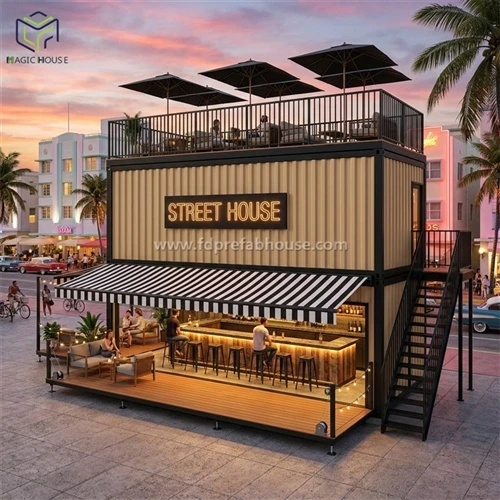
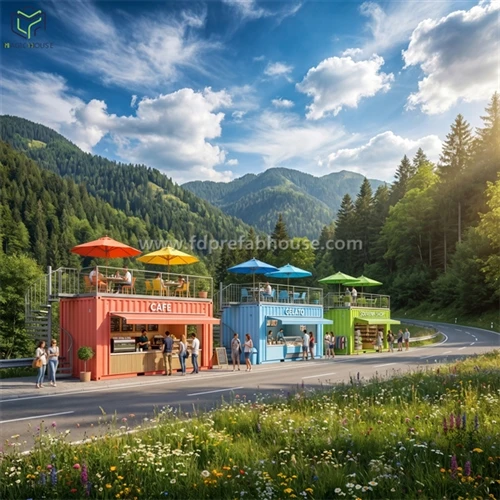
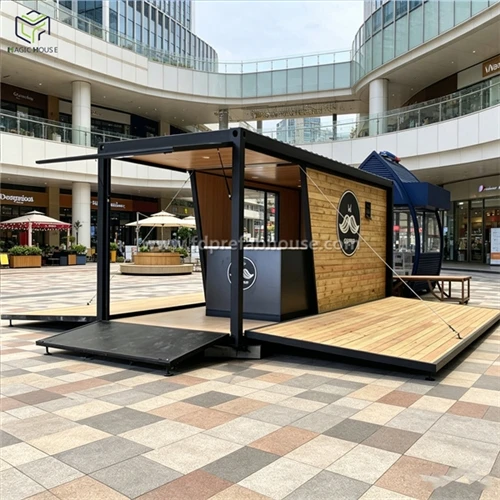
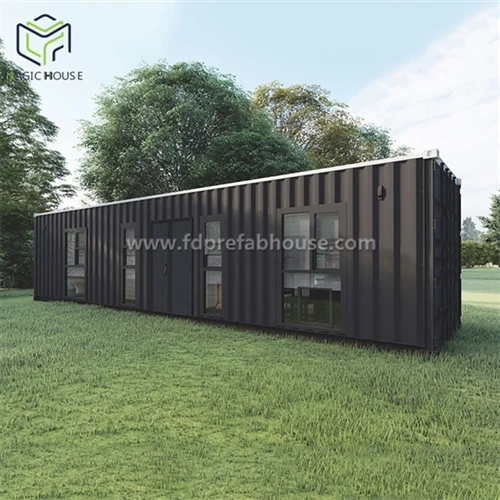
The development of modular construction is also changing how small buildings are delivered. Modular units can be used for accommodation, offices, retail spaces, cafés, site facilities and other applications where rapid installation and flexible layouts are important. For projects in remote locations or areas affected by difficult weather conditions, completing more work in a factory can also reduce some of the uncertainties associated with conventional site construction.
However, faster construction does not simply depend on producing modules quickly. Early-stage design coordination, transportation planning, local building regulations and site preparation all have an important influence on the final delivery schedule. Standardized dimensions and repeatable components can make production more efficient, but each project still needs to be adapted to its destination, foundation conditions and applicable construction requirements.
As modular construction continues to develop, the industry is moving toward a more integrated model in which design, manufacturing, transportation and installation are planned as one process. For construction markets in Europe, North America and Australia, this shift could make modular buildings an increasingly practical option for projects where speed, predictable delivery and efficient use of labor are important considerations.