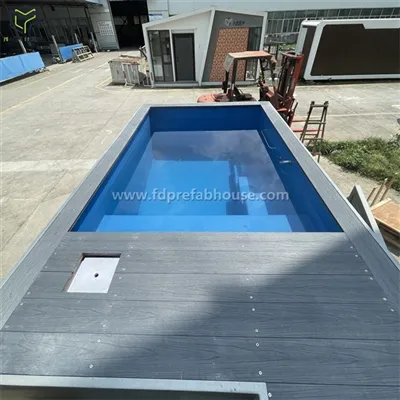
Why UK Swimming Pools Particularly Require Rust Prevention
The UK experiences frequent rainfall, high atmospheric humidity, and-in coastal regions-strong winds laden with sea salt. When ordinary steel is exposed to such humid environments over extended periods, iron oxide rust easily forms on its surface. This process gradually reduces the steel's cross-sectional area, potentially leading to perforation and, ultimately, structural failure. For outdoor swimming pools, rust is not merely an aesthetic issue; it poses a direct threat to both structural safety and service life.
Technical Principles and Data on Hot-Dip Galvanizing
Hot-dip galvanizing is a process in which pre-treated steel components are immersed in a bath of molten zinc-heated to approximately 450°C-to undergo a chemical reaction. The zinc reacts metallurgically with the steel, creating a multi-layered composite structure on the steel's surface; this structure consists of an inner iron-zinc alloy layer bonded to an outer layer of pure zinc.
This composite structure provides a dual-mechanism protection system:
Barrier Protection: The zinc layer creates a physical barrier that prevents moisture and oxygen from coming into contact with the steel surface.
Cathodic Protection: Even if the zinc layer sustains localized scratches, zinc's higher electrochemical activity relative to iron means it will corrode preferentially-effectively "sacrificing" itself-to protect the underlying steel from rust.
Regarding coating thickness, hot-dip galvanized coatings typically range from 55 microns to 150 microns-or even up to 200 microns-depending on the steel's thickness and chemical composition. In traditional bridge engineering, hot-dip galvanized steel reinforcement has demonstrated long-term corrosion protection effectiveness exceeding 50 years.
For swimming pool applications, hot-dip galvanizing complies with a range of European and international standards, such as BS EN ISO 1461. The specific coating thickness required must be selected based on the corrosivity category (ranging from C1 to C5) of the installation environment. Most regions of the UK fall under the C3 "medium" corrosivity category (characterized by urban environments or light salt spray near coastal areas); however, certain coastal regions may reach the higher C4 corrosivity category, necessitating corresponding adjustments to the coating specifications to ensure the desired service life is achieved.
Why Must the Pool Frame Be Hot-Dip Galvanized?
In containerized swimming pools, hot-dip galvanizing is primarily applied to the following components:
The steel framework and exterior wall structure of the container body
The flooring platform and supporting members
Mounting bases for water inlet and outlet connections
Metal accessories, such as handrail connectors
Following hot-dip galvanizing treatment, the service life of these steel components is significantly extended within the damp, rainy, and high-humidity outdoor environment of the UK, thereby reducing the frequency of maintenance required to address age-related corrosion.