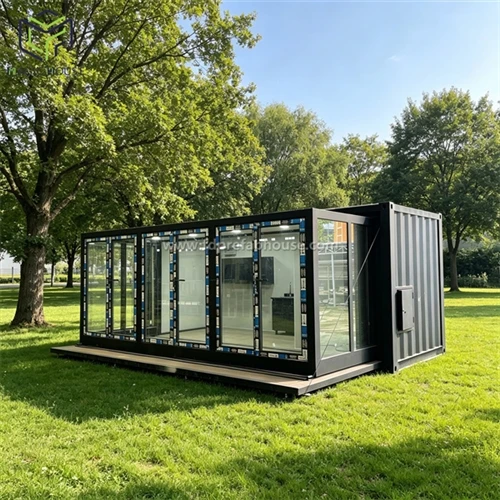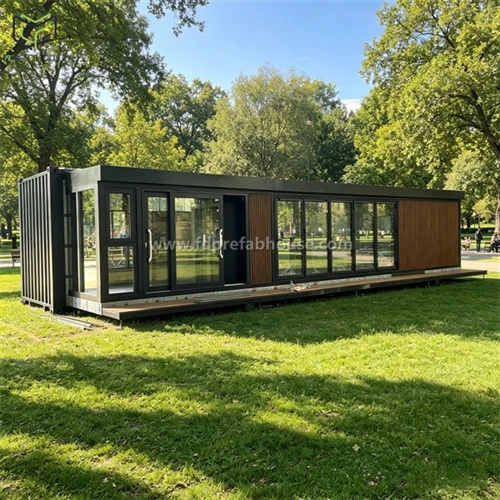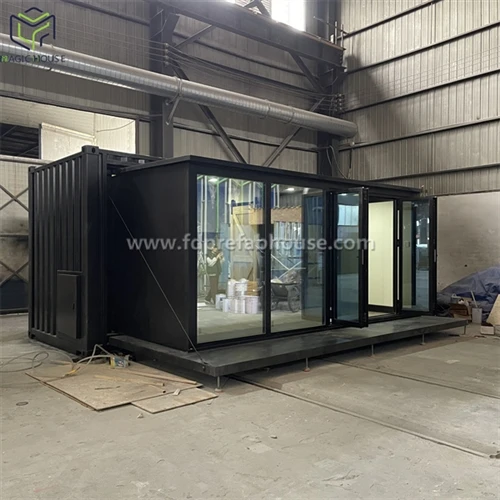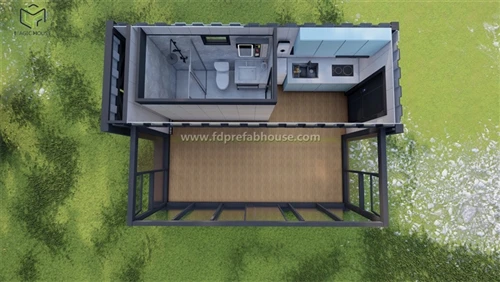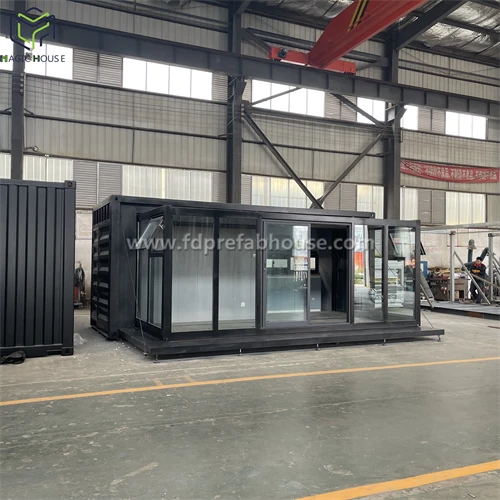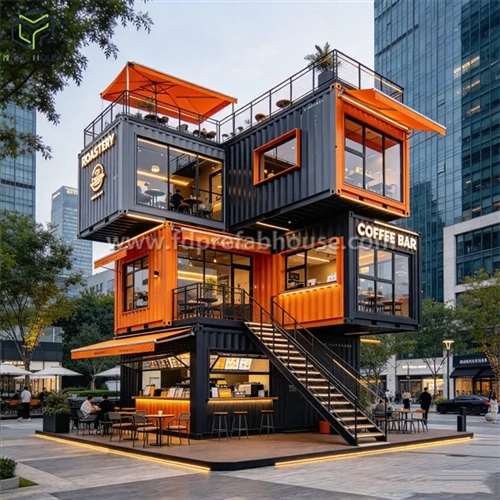
A double‑decker container café offers huge commercial benefits: the second floor can be used for viewing decks, VIP lounges, or premium spaces. However, exporting to the USA means meeting strict IBC wind, seismic, and live load requirements. Below are six essential design and engineering points.
1. Lower‑Container Load Calculation
A standard 20‑ft container corner casting can bear approx. 24 tons, but openings (windows/doors) weaken the structure
Live load for commercial second‑floor use: ≥ 4.8 kN/㎡ (100 psf)
Reinforcement: Add steel stiffeners (e.g. 80×80×4mm SHS) beside openings; add longitudinal I‑beams on the roof to spread loads
2. Inter‑Container Connection (Uplift & Shear)
Use twist locks + alignment cones + through‑bolts – at least two connections per corner casting
Uplift resistance: For wind zone 3 (e.g., Florida) ≥15 kN per corner casting; seismic zones require bidirectional shear capacity
Do not rely on welding alone – welds are prone to fatigue fracture; bolted connections with spring washers are more reliable
3. Stairs & Second‑Floor Platform (High Traffic)
Stairs: Width ≥1100mm (commercial), riser height ≤180mm, tread depth ≥280mm. Material: hot‑dip galvanized checker plate or 304 stainless steel (must for coastal projects), with slip‑resistant surface.
Second‑floor platform: Avoid ordinary WPC (aging, poor load capacity). Choose:
Aluminum deck (6061‑T6, thickness ≥3mm, anti‑slip pattern)
Co‑extruded WPC (UV resistance tested ≥2000 hours)
Steel grating (good for outdoor drainage)
Guardrail height ≥1100mm, baluster spacing ≤100mm (to prevent child entrapment)
4. Fire Egress (NFPA 101)
Double‑deck buildings must have at least two independent means of egress (main stairs + emergency ladder / slide / second exit)
Maximum travel distance from any point on second floor to a stair: ≤15m (without sprinklers) or ≤30m (with sprinklers)
All exit doors must swing outward, with emergency lighting and illuminated exit signs
5. Wind & Lateral Resistance (Coastal / Hurricane Zones)
Lateral loads are transferred through corner castings. When two containers are side‑by‑side, install lateral wind bracing (channel or angle steel) between them
For areas with a 30‑year basic wind speed ≥150 mph (e.g., Miami), anchor the entire building to the foundation using cast‑in anchor bolts + chemical anchors, and consider wind tunnel testing
6. Required Construction Documents
You must provide:
Structural calculations (bilingual English‑Chinese)
Welding procedure specification & procedure qualification record (WPS/PQR)
Material certificates (steel, bolts, welding consumables)
Drawings and calculations stamped by a US licensed Professional Engineer (PE)
Without a PE stamp, you cannot obtain a building permit in the United States