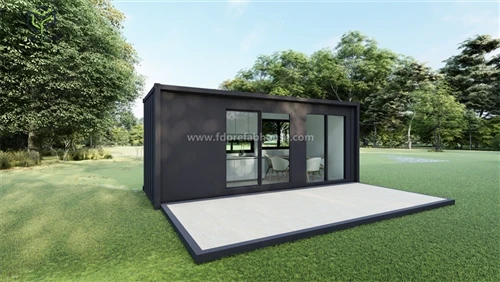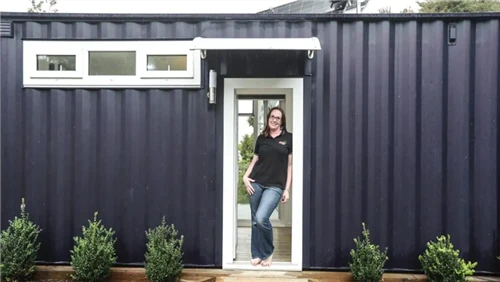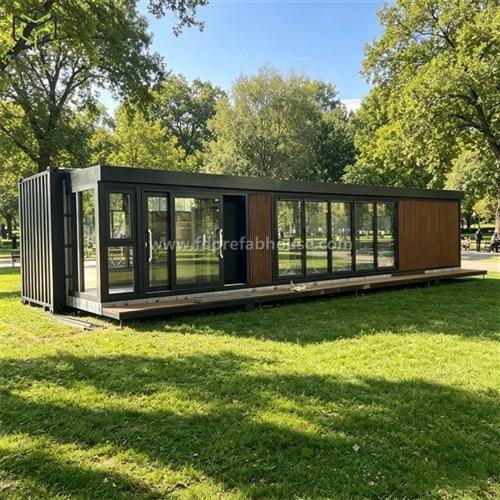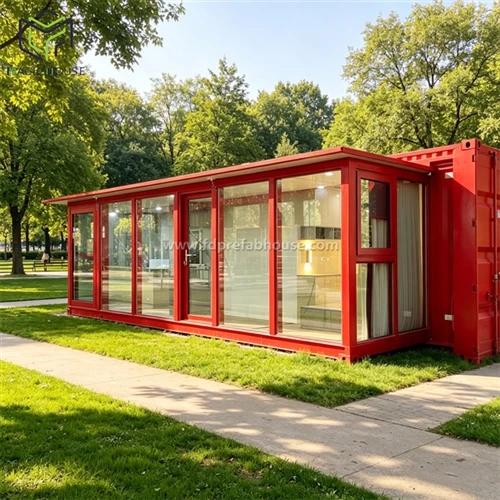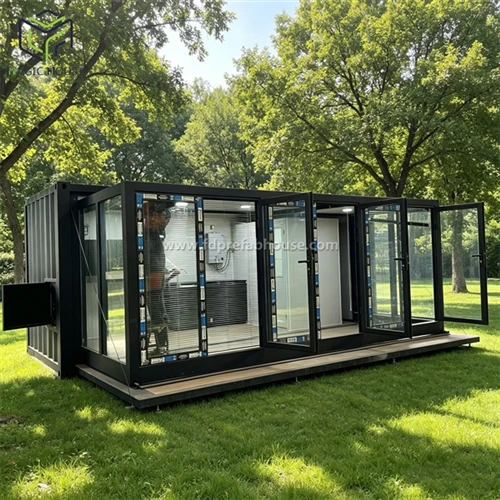
A court case in Auckland involving 16 shipping containers stacked on a residential plot has once again thrust container housing into the public spotlight. While the core dispute centers on planning and land-use regulations, the case has also ignited a broader discussion regarding the role of container homes within New Zealand's housing system.
Over the past decade, container homes have become an increasingly visible feature of New Zealand's housing landscape. Their applications have expanded widely, ranging from tiny homes and off-grid cabins to high-end, architecturally designed properties. They have frequently appeared on popular architectural television programs like *Grand Designs NZ* and continue to generate online interest thanks to their unique designs and industrial aesthetic. In 2021, a Waikato home constructed from 12 shipping containers sold for NZ$2.055 million, serving as a powerful testament to the market value of such properties.
However, the development of container homes in New Zealand has not been without hurdles. Under the New Zealand Building Code, habitable spaces must meet specific standards for weathertightness, safety, and health; consequently, container homes are subject to the same approval processes as traditional houses. This means every container home must undergo the building consent application process, covering essential construction elements such as foundations, plumbing, and electrical systems. For smaller-scale projects, the costs associated with approvals-both financial and temporal-pose real challenges.
Meanwhile, the policy landscape for modular construction is shifting. A housing reform bill passed in October 2025 allows certain detached accessory dwellings (such as "granny flats") under 70 square meters to be exempt from full building and resource consent requirements, provided specific conditions are met. While this change opens up new policy avenues for small modular homes, the extent to which container homes can benefit from this adjustment remains contingent upon the specific implementation guidelines issued by local councils.
Industry observers believe that the status of container homes in New Zealand is transitioning from a "niche experiment" to a "mainstream option." Striking a balance between affordability, sustainability, and regulatory compliance will be an ongoing challenge for the industry in the coming years.