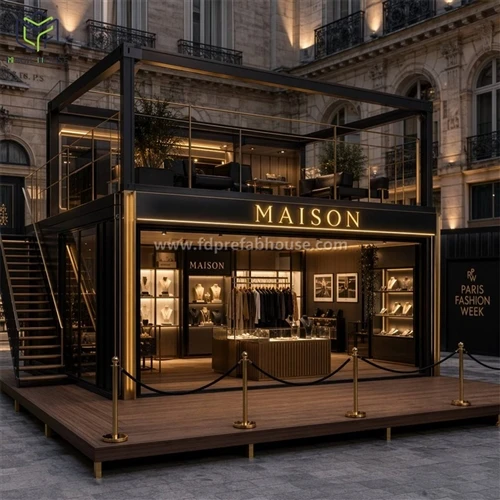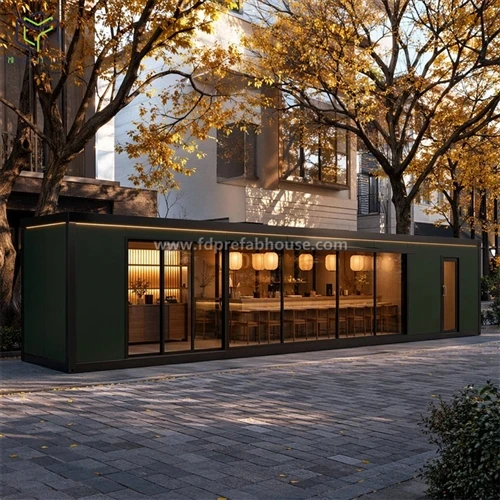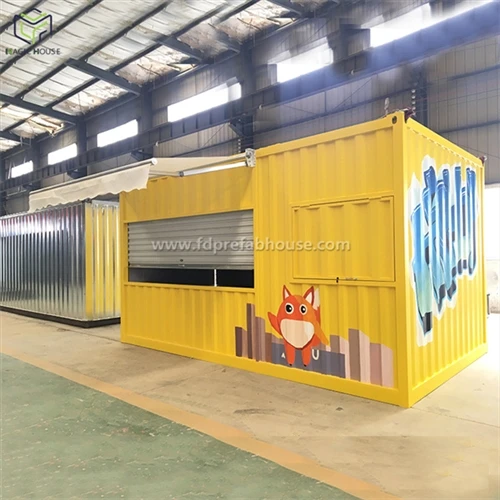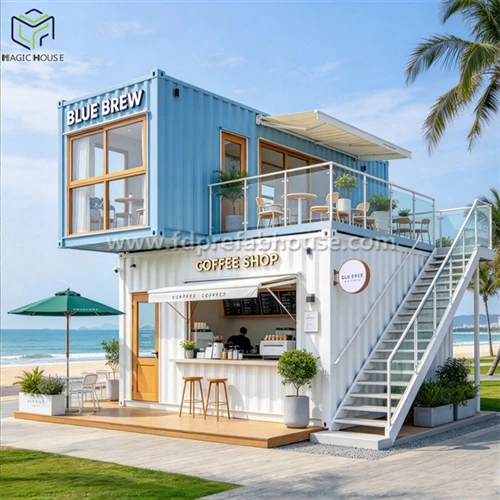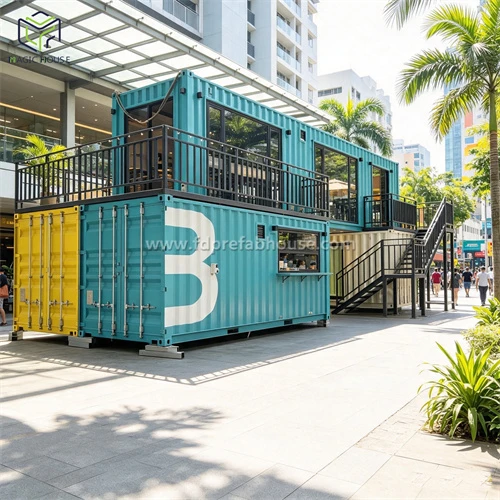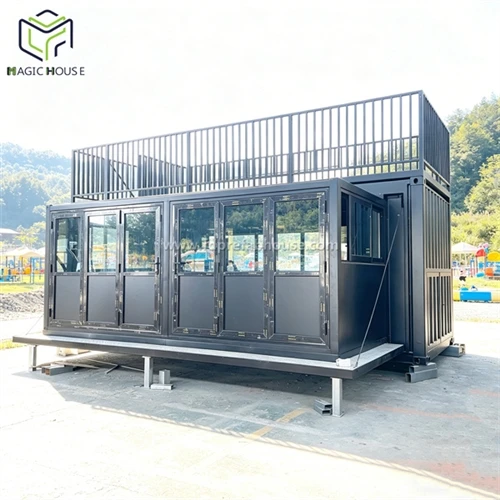
It's not just because they are "cheap"-it's because the numbers simply make better sense.
Many people assume that container-based structures are synonymous with low cost. In reality, in Australia and New Zealand, the landed cost of a converted 20-foot shipping container is not significantly cheaper than a single-story light-steel building. Yet, operators are making the switch-driven by three key financial and operational considerations:
First: The Time Factor
- Building a service facility locally in Australia-from the Development Application (DA) approval process to final completion-typically takes 6 to 9 months.
- In contrast, our process-from order placement to factory dispatch-takes 25–35 days; ocean freight to Sydney or Auckland takes 18–25 days; and on-site hoisting and utility connection take another 3–5 days.
- The total turnaround time allows for operations to begin within two months.
For charging station operators, every month of delay means a month of lost revenue from electricity sales. This is particularly critical as fast-charging networks in Australia expand rapidly; the first to open a site is the first to secure prime locations near highway exits.
Second: Portability
This is the true "killer feature" of container-based structures:
- In Australia, many sites at highway service areas are leased, with terms typically ranging from 5 to 10 years.
- Once a light-steel structure is installed, dismantling it essentially turns it into construction waste, leaving it with almost zero residual value.
- Container-based structures, however, can be hoisted and relocated to a new site once a lease expires, offering a **reusability rate of nearly 100%**.
- Following the earthquake in Christchurch, New Zealand, many temporary service facilities were brought in from other locations using shipping containers-arriving and ready for use within 24 hours.
When you factor in both depreciation and relocation costs, a container-based solution is typically 30%–40% more cost-effective than traditional construction over a five-year cycle. The Third Dimension: Scaling Up
The charging station business is dynamic, not static:
- Year 1: Start with 4 charging bays and a single reception unit.
- Year 2: Expand to 8 charging units by adding an equipment container.
- Year 3: Incorporate amenities like a café or convenience store, and add an upper level to serve as a terrace.
Think of shipping containers as building blocks-adding units is far faster than constructing traditional rooms. For our Australian clients, we implement a **modular, future-proof design**: the initial phase features one 20-foot reception unit, with anchor bolts, utility hookups (water/electricity), and structural connectors pre-installed to accommodate the addition of 2–3 more units later. When the time comes for expansion, the new units can simply be lifted into place and connected.
Two Common Concerns from Clients
Q: Can container-based structures be classified as "fixed assets" in Australia?
A: They are typically recorded as "movable assets." This is actually an advantage-it allows for more flexible depreciation methods and ensures the asset isn't tied to the land.
Q: Do used shipping containers pose any hidden risks?
A: We do not use second-hand containers. Every project utilizes brand-new, custom-manufactured units. While they follow the dimensions and corrugated steel design of standard shipping containers, all steel, paint, and welds are entirely new-eliminating any concerns regarding residues or contamination often found in the floors of used containers. This is clearly documented for export customs declarations and local inspections by the client.