

Product Introduction
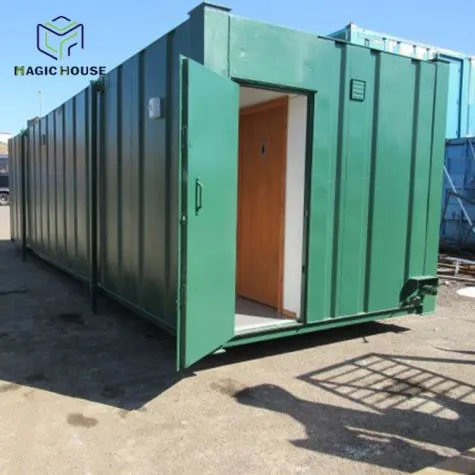
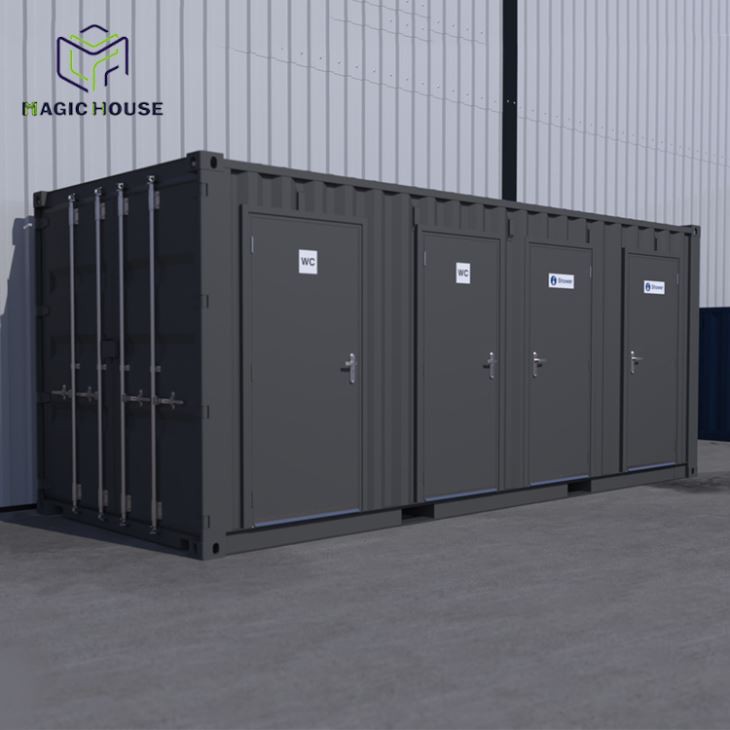
Within the crowded and vast overpopulated world we live in, the demand for basic requirements is increasing. Container toilets can provide some relief to the ever growing demands of working environments and take some of the strain from onsite needs and requirements. Container toilets can vary in capacity depending on the specific function and requirement needed. Container office toilets can be a great solution for many business. Container toilets are an efficient and convenient appliance to utilize and use with minimal disruption on site, providing a hygienic and safe contained environment for use.
What issues should be paid attention to when making container toilets?
Container toilets have become a popular option for many people, whether it be for outdoor events or camping trips. However, when making container toilets, it is important to pay attention to several issues to ensure their safety and durability. Here are some factors to consider:
1. Durability and strength: The container toilet should be constructed using a sturdy and durable material to ensure its stability and longevity. Quality welding and structural support is necessary.
2. Comfort: The container toilet should be comfortable for users. This includes features such as ventilation, lighting, and proper dimensions for the toilet seat. Additionally, the container should be properly insulated to keep users comfortable in all weather conditions.
3. Hygiene: Hygiene should be a top priority when designing container toilets. The toilet should include adequate hand washing facilities, proper sanitation procedures, and regular cleaning to maintain optimal hygiene standards.
4. Security: The container toilet should be secure, especially in outdoor locations, to prevent any unauthorized access or tampering. Proper locks and security measures must be taken.
5. Accessibility: The container toilet should be easily accessible to all users, including those with disabilities. The toilet seat should be at a comfortable height, and handrails should be provided for stability.
By paying attention to these issues, container toilets can be developed that are safe, durable, and comfortable for users. They can provide a great solution for outdoor sanitation needs and can be a useful addition to any event or camping trip.
What materials are container toilets generally made of?
One of the most commonly used materials for container toilets is plastic. Many portable toilets are made of high-density polyethylene (HDPE) because it is lightweight and durable, making it ideal for transportation and long-term outdoor use. HDPE is also resistant to various weather conditions, which means that it can withstand extreme temperatures and harsh weather conditions.
Similarly, some container toilets are made of fiberglass-reinforced plastic (FRP) for added durability. FRP is a lightweight, strong, and resilient material that provides excellent resistance to corrosion and damage from weather, chemicals, and impact.
In addition, some container toilets are made of stainless steel, which is a highly durable and long-lasting material that is both hygienic and easy to clean. These toilets are perfect for areas where hygiene is crucial, such as campsites, construction sites, and festivals.
Overall, there are various materials that container toilets can be made of, depending on the intended purpose and location of the toilet. These materials include plastic, fiberglass, and stainless steel, all of which are designed to be durable, long-lasting, and easy to clean.
What materials are generally used for container toilet interiors?
One of the most commonly used materials for container toilet interiors is stainless steel. This material is highly resistant to corrosion and is easy to clean, making it ideal for use in high-footfall public spaces such as train stations, airports, and shopping malls.
Another popular material for container toilet interiors is fiberglass. This lightweight and durable material is resistant to moisture and corrosion, making it an ideal choice for outdoor applications such as camping and construction sites.
Other common materials used in container toilet interiors include PVC vinyl, which is waterproof and easy to clean; high-density polyethylene (HDPE), which is strong, lightweight, and easy to sanitize; and polycarbonate, which is highly resistant to impact, heat, and chemicals.
Regardless of the materials used, container toilets are designed to be safe, reliable, and hygienic, providing users with a comfortable and convenient option for their sanitation needs. With proper maintenance and cleaning, these facilities can provide years of reliable service and make a positive impact on communities and environments around the world.


Like any container conversion, ablution containers are designed with doors and windows to create light and bright spaces that may be cleaned easily. The steel is cut to accommodate the openings that are then fitted and welded in place. These commonly have aluminum frames which are lighter than mild steel.
Internal cladding is fitted and then either painted with a good quality product that can be scrubbed, or tiled. Hygienic, easy-to-clean flooring is fitted over the existing container floor. When mirrors are included, this adds visual space to the ablution container.
Unless the containers are new, the outside of converted ablution containers should be given a good quality rust-proof coating prior to painting the exterior.




Hot Tags: disassembly prefab container toilet, manufacturers, customized, quotation, made in China, Mobile public toilet design, American mobile smart toilet, Outdoor camping toilet with shower, Toilet with smart monitoring system, Community Convenience Service Station, lavatory definition building code